Biodegaradablce Plastic Granules from Corn Starch
As the world confronts the urgent need to reduce plastic waste, biodegradable plastic granules made from corn starch are emerging as a game-changing innovation. These granules are both good for the environment and present business options for those who want to work in the industry. Whether you’re looking to become a plastic granules manufacturer or want to invest in sustainable packaging, this comprehensive guide will show you everything you need to know.

What are Biodegradable Plastic Granules from Corn Starch?

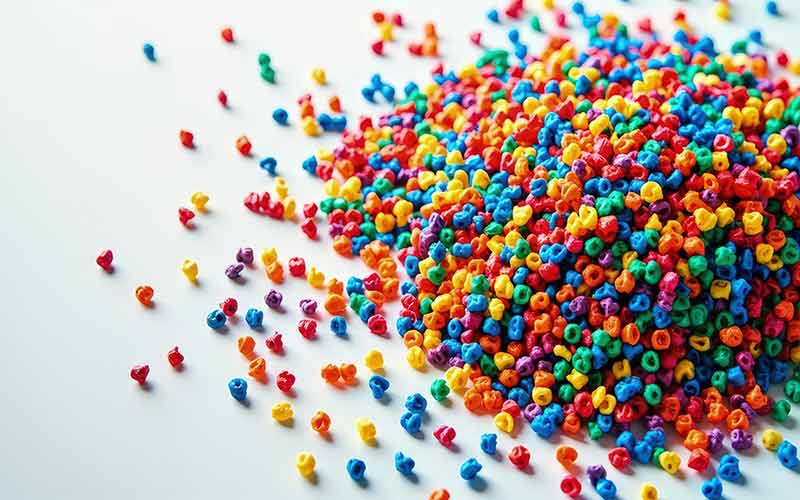
Biodegradable plastic granules from corn starch are natural polymer-based raw materials derived primarily from corn starch. Unlike conventional plastic granules made from petrochemicals, these granules are designed to break down in the environment over time, leaving no toxic residue. This new approach is making a difference in the way we manufacture things from plastic.

Biodegradable plastic granules

Corn starch acts as the main ingredient in creating these biodegradable plastic products, especially popular in producing biodegradable plastic bags, disposable tableware, and packaging. These granules are comparable in performance to traditional plastic granules but with the added benefit of sustainability. A plastic granules manufacturer using corn starch-based formulas can offer clients an environmentally responsible product while meeting government regulations aimed at reducing plastic pollution.

Thanks to innovations in material science, biodegradable plastic granules are now as durable and moldable as petroleum-based alternatives, opening the door for large-scale adoption across industries. Businesses that produce biodegradable plastic bags and other sustainable goods are seeing increased demand worldwide due to growing environmental concerns.

How are Biodegradable Plastic Granules Made from Corn Starch?

Biodegradable Plastic Granules Made from Corn Starch

The production of biodegradable plastic granules from corn starch involves a multi-step process that is both sustainable and cost-efficient when scaled correctly. Starting with corn kernels, the starch is pulled out and then made into a biopolymer by treating it with hydrolysis and fermentation.

Step-by-Step Manufacturing Process:

  1. Starch in corn kernels is separated from other parts (fiber, protein, oil) though milling.
  2. Lactic acid is produced when bacteria turn starch into lactic acid.
  3. By polymerization, molecules of lactic acid form the bioplastic base called PLA which is made in this process.
  4. Mixing PLA with additional biodegradable materials allows the plastic to become more flexible and durable.
  5. Granulation: The final compound is extruded and cut into uniform plastic granules ready for molding or further processing

Every plastic granules manufacturer must ensure consistency in granule size and composition to maintain the quality of the final biodegradable plastic products. Most granulation processes rely on having equipment such as twin-screw extruders and industrial pelletizers.

The biodegradable plastic granules produced can then be used to create a variety of end products such as biodegradable plastic bags, food packaging, disposable cutlery, and agricultural films. Because these granules hold up to heat and pressure, they are used in standard plastic molding machines.

Making this change allows industries to keep production at a high level while also helping the environment and this is attractive for everyone who benefits.

How to Start a Business of Biodegradable Plastic Granules?

Starting a business focused on biodegradable plastic granules from corn starch is not just an eco-conscious decision—it’s a smart investment in the future. As a plastic granules manufacturer, you’ll be entering a market driven by both legislation and consumer demand for sustainable products.
  1. Market Research & Feasibility Study
    Begin with detailed research on the demand for biodegradable plastic products in your region. Identify industries that rely on plastic granules, such as packaging, agriculture, and food service. Understand competitor pricing and supply chain structures.
  2. Business Plan Development
    A well-structured business plan should include:
    • Startup capital and investment sources
    • Machinery and production setup
    • Supply chain for corn starch and other inputs
    • Target customers (e.g., biodegradable plastic bag producers)
    • Marketing and sales strategy
    • Regulatory compliance plan
How to Start a Business of Biodegradable Plastic Granules
  1. Legal and Environmental Approvals
    Government registration and receiving the needed licenses, including those for the environment, is required. As the business is about waste reduction and sustainable products, you could be granted money or help from the government.
  2. Machinery & Infrastructure
    Setting up a manufacturing unit requires:
    • Corn starch processing equipment
    • Biopolymer reactors
    • Granulation machinery
    • Quality testing lab
    • Packaging units

    Choose suppliers with a proven track record in plastic granules production to ensure durability and consistency in your biodegradable plastic granules.

  3. Skilled Workforce & Training
    Make sure your workers are trained to work with both machinery and quality control and to handle biodegradable raw materials. The more knowledgeable your team is, the more efficiently your work will be done and the less waste there will be.
  4. Marketing & Distribution
    Build relationships with eco-friendly product makers—especially those producing biodegradable plastic bags, compostable packaging, and sustainable consumer goods. Highlight your brand as a reliable and innovative plastic granules manufacturer.

Starting a business in this field means you’re leading the green industrial movement. As awareness grows, businesses and governments alike are looking to partner with responsible manufacturers of biodegradable plastic products.

Ready to take the first step? Contact our expert team today for end-to-end guidance on starting your biodegradable plastic granules manufacturing business. We’re here to help you turn your green vision into a profitable reality.

Suggested Business Ideas of Biodegradable Plastic Granules

  • Acid Washed Granulated Activated Carbon
  • Activated Carbon (By Steam Activation Process)
  • Activated Carbon from Bamboo
  • Activated Carbon from Coconut Shell
  • Activated Carbon from Coconut Shell in Continuous Rotary Kiln
  • Activated Carbon from Coconut Shell, Rice Husk & Saw Dust
  • Activated Carbon from Wood
  • Activated Carbon Powder from Jute Sticks
  • Carbon Composite Fiber
  • Charcoal from Coconut Shell
  • Fullers Earth
  • Furfural from Corncobs, Rice Husk & Sugarcane Bagasse

What are the Applications of Biodegradable Plastic Granules?

Biodegradable plastic granules from corn starch have diverse applications across multiple industries, thanks to their versatility and eco-friendly profile. These granules can be used to manufacture a wide range of biodegradable plastic products that decompose naturally, reducing environmental burden.
Uses-of-Beodegradable-plastic-granules

Key Applications:

  1. Biodegradable Plastic Bags
    These bags are among the most common products made from corn starch-based plastic granules. Retailers, supermarkets and food delivery companies use coupons. Unlike conventional plastic bags, biodegradable plastic bags break down within 3 to 6 months in composting conditions.
  2. Packaging Materials
    From food wraps to electronics packaging, plastic granules made from corn starch can be molded into biodegradable packaging that offers the same protective qualities as regular plastic, with none of the long-term waste.
  3. Agricultural Films
    Decomposing in mulch and greenhouse settings, these natural films improve the soil and prevent the environmental problems that regular plastic films cause.
  4. Disposable Tableware
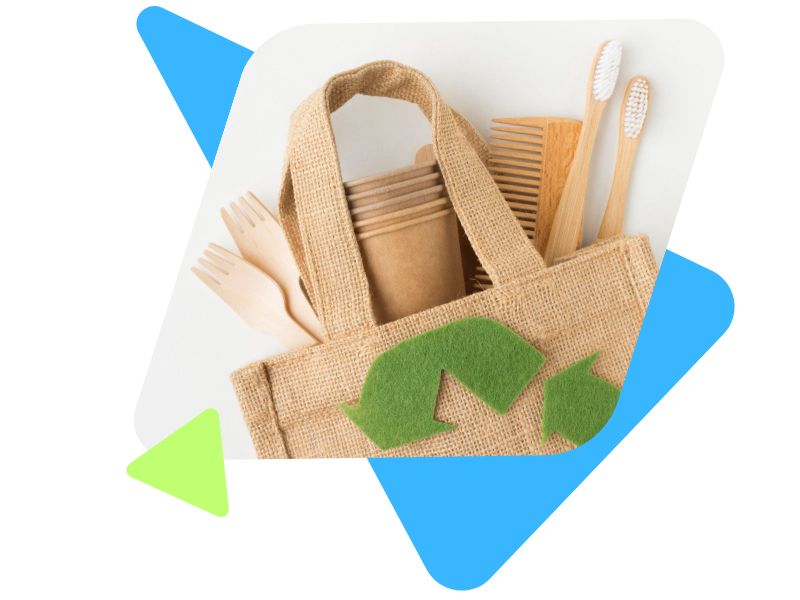
    Corn starch plastic granules are ideal for making plates, cups, and cutlery for restaurants, caterers, and events. These biodegradable plastic products are both functional and compostable.
  5. Medical Applications
    Because of recent interest in eco-friendly healthcare, hospitals now use gloves, containers and syringe covers that are biodegradable, made from corn starch granules.
  6. For any plastic granules manufacturer, diversifying into these application areas not only increases revenue streams but also aligns the brand with the global sustainability movement.

The Market Size of Biodegradable Plastic Granules

The global market for biodegradable plastic granules is growing rapidly, fueled by increasing environmental regulations, consumer awareness, and bans on single-use plastics. Corn starch-based plastic granules, in particular, are gaining popularity due to their cost-effectiveness and scalability.
Global Market Size of Biodegradable Plastic Granules

Global Market Overview:

Recent market reports forecast that the biodegradable plastic market will expand to exceed USD 23 billion by 2030, growing at about a 14% yearly rate. A significant portion of this growth is driven by biodegradable plastic bags and packaging.
The regions in Asia-Pacific, especially India and China, are reporting an extraordinary increase in need. India, with its vast agricultural base and favorable policies, is poised to become a global leader in the production of biodegradable plastic granules. As a plastic granules manufacturer in India, you can tap into a large domestic and international market.

Indian Market Potential:

Landfills and oceans receive more than 25,000 tons of plastic waste from India every day. With new regulations phasing out single-use plastics, biodegradable plastic products are no longer an option—they’re a necessity. Several state governments are encouraging the use of biodegradable plastic bags and other alternatives through tax exemptions and purchase incentives. Processes are under way to help startups and small and medium businesses with low-interest loans and grants, so it is a good time to invest in the sector. Whether your goal is to supply biodegradable plastic products to large manufacturers or to export high-quality plastic granules to global markets, the opportunities are both plentiful and profitable.
Indian Market Potential of Biodegradable Plastic Granules

The Future of Biodegradable Plastic Granules Business

People are no longer following sustainability as a trend—it is now a global movement. Reducing our carbon footprint is being pursued by governments, corporations and consumers. The biodegradable plastic granules industry sits at the intersection of environmental sustainability and economic growth.

By becoming a plastic granules manufacturer focused on corn starch-based materials, you’re not just starting a business—you’re shaping the future of how the world uses plastic. Every biodegradable plastic bag or product you help create is a step toward a cleaner, greener planet.

The industry’s future lies in:

  • Expanding product innovation
  • Improving cost-efficiency of production
  • Tapping into global markets
  • Complying with international green standards
Future-of-Business

Entrepreneur India: Your Partner in Future-Ready Growth

Business Ideas for Startup

Entrepreneur India, a monthly magazine published by NPCS, is a trusted place to get key details about industries and new technological business ideas. Under ISO 9001:2015, NPCS helps both Indian startups and foreign and local entrepreneurs to develop their industrial projects funded by investments. The organization also supports emerging industries such as plastic granules production and biodegradable plastic bag manufacturing to promote sustainable development.

NPCS’s business services focus on both examining project feasibility and providing a mix of project descriptions, technology and market information. NPCS consultancy provides knowledge about both small manufacturing businesses and agriculture through livestock services that ensure proper service industry procedures, make up market strategies and allow for financial and business growth. With the rise of environmental concerns, NPCS now includes detailed analysis on biodegradable plastic products, giving startups insight into opportunities for entering the green economy. The organization has also helped position clients as a successful plastic granules manufacturer capable of meeting domestic and international demands.

NPCS functions as a business consulting firm, helping European and North American and South Asian businesses to connect their digital systems with solutions designed to boost their presence in the market. The firm helps professional groups by planning studies through business operations, by bringing together consultant teams and technical analysts. This includes guidance for investors interested in setting up plastic granules manufacturing units and businesses focused on exporting biodegradable plastic products to environmentally conscious markets.

At first, the organization offered consulting, but then it changed and began offering business solutions. By offering outstanding strategic consulting, the company grew to be the best Non-Resident Indian services provider by leading in sector-specific project innovation and operations. Thanks to their industry understanding, NPCS can design B2B manufacturing business ideas that benefit the Indian investors and overseas firms. NPCS’s database now features comprehensive project reports and feasibility studies for businesses looking to produce biodegradable plastic bag alternatives and become a reputed plastic granules manufacturer in India’s growing green industry.

Launch Your Biodegradable Plastic Granules Startup with Entrepreneur India

Starting a business in biodegradable plastic granules can be both rewarding and challenging. Entrepreneur India is here to help and support you at each part of building your startup. As the demand for eco-friendly alternatives grows, becoming a plastic granules manufacturer is a smart and sustainable move.

We provide everything our clients need, including reports, technology, guidance on machinery and sourcing of materials. Whether you’re just exploring ideas or ready to launch, we help you understand the market dynamics of biodegradable plastic products. Our work includes research and planning so you can be sure your business thrives into the future as well as succeeds financially.

establish-a-business

New manufacturers usually find compliance with regulations and licenses to be a big problem. Entrepreneur India helps streamline the approval process, making it easier for your plastic granules business to start operations quickly. We also connect you with reliable vendors and help you select the best technology to produce high-quality, cost-effective biodegradable plastic bag alternatives.

We guide you in developing your brand and approach customers, no matter if you’re a packaging firm, a retail brand or a producer of sustainably-made products. With the world shifting to green alternatives, biodegradable plastic products are no longer niche—they’re the future.

Entrepreneur India is more than a consultancy. We are your success partner in becoming a trusted plastic granules manufacturer, helping you build a brand that stands for innovation, quality, and sustainability. Let’s build a greener tomorrow, together.

Contact our expert team today for end-to-end guidance on starting your biodegradable plastic granules manufacturing business. We’re here to help you turn your green vision into a profitable reality.

List Of Clients of Entrepreneur India

Company NameLocationProject Description
M/s. Ashapura Mine Chem Ltd.Mumbai, MaharashtraPreparation of Detailed Project Report on High Energy Products
M/s. Ratnawali Infrastructure Ltd.JaipurMarket Survey Cum Detailed Techno Economic Feasibility Report on Waste Tyre Pyrolysis
M/s. Whitewood Nigeria LimitedNigeriaPreparation of Detailed Project Report on Woven PP Cement Sacks
M/s. Printexchem Production and Trading Company LimitedVietnamInformation on Epoxy Resins, Adhesive Formulary, Modern Packaging Industries, Printing Technology, Phenolic Resins, Industrial Adhesives, Food Packaging, Natural Dyes & Pigments
M/s. Tea Research Institute of Sri LankaSri LankaInformation on Cultivation and Manufacture of Tea
M/s. Bemunka Infrastructure Group Ltd.GhanaPre-Investment Feasibility Report for Establishment of Porcelain Insulators
M/s. Doono Ltd.SomalilandPreparation of Detailed Project Report on Aluminium Foil Container
M/s. Sahaviriya Steel Industries Public Company LimitedThailandInformation on Hot Rolling
M/s. Crest International Resources Pte LtdSingaporePreparation of Detailed Project Report on Soda Ash (Light and Soda Ash Dense)
M/s. Surgivalley Pvt LtdPakistanProject Consultancy on Electroplating
M/s. Anbarasu & JalapathiSathyamangalam, Tamil NaduPreparation of Detailed Project Report on Essential Oil Extraction (Jasmine and Tuberose) Unit
M/s. Bio Ethanol Agro Industries Ltd.Hyderabad, TelanganaPre-Investment and Pre-Feasibility Study on Dall Mill
M/s. Deepak Nitrite LimitedPune, MaharashtraPre-Investment Feasibility Report for Establishment of Synthetic Iron Oxide from Iron Oxide Liquor/Sludge by Laux Process (Red, Yellow, Green, Blue) Plant
M/s. DIQU Tech Private LimitedBangalore, KarnatakaTechno-Economic Feasibility Study for Establishment of Precipitated Silica from Rice Husk Ash Unit
M/s. Fortcaps Healthcare Ltd.Bhopal, Madhya PradeshPreparation of Detailed Project Report on Soft Gelatin Capsules Unit
M/s. IMC LimitedChennai, Tamil NaduMarket Survey Cum Detailed Techno Economic Feasibility Report on Lube Oil Blending Based on Imported Base Oil
M/s. Brice and Company LimitedSaint Lucia, Caribbean IslandPreparation of Detailed Project Report on Steel Billets and TMT Bars (Rebar) from Scrap Metal
M/s. Kiboko Enterprises Ltd.UgandaPreparation of Detailed Project Report on Toothpaste
M/s. Amponsah-Efah Pharmaceuticals LimitedGhana, West AfricaPreparation of Detailed Project Report on Toothpaste
M/s. Zimbabwe Bearings Private LimitedZimbabwePreparation of Detailed Project Report on Roller Bearing


Frequently Asked Questions (FAQ)

To make biodegradable plastic from corn starch, you'll need a few simple ingredients: corn starch, water, vinegar, and glycerin. Start by mixing 1 tablespoon of corn starch with 4 tablespoons of water in a heat-resistant bowl. Add 1 teaspoon of vinegar (to help with flexibility) and 1 teaspoon of glycerin (to reduce brittleness). Heat the mixture over low heat while stirring continuously until it thickens into a gel-like substance. Once it cools down, you can mold it into any shape. Let it dry for 24–48 hours, and you’ll have a basic biodegradable plastic!

Cornstarch plastic typically biodegrades within 90 days to 6 months, depending on environmental conditions like temperature, humidity, and exposure to microorganisms. Under industrial composting facilities, the breakdown process is faster. In natural soil, it might take a bit longer, but it's still significantly quicker than traditional petroleum-based plastics.

Yes, corn starch plastic is considered environmentally friendly because it's derived from renewable resources and breaks down naturally without releasing harmful toxins. It’s a better alternative to fossil fuel-based plastics.
As for profitability, the biodegradable plastic business is growing rapidly due to increasing environmental regulations and consumer demand. If managed well, with a focus on quality and sustainability, it can be highly profitable, especially as global markets shift towards eco-friendly packaging solutions.

Biodegradable plastic bags made from corn starch offer several benefits:

  • Eco-Friendly: They break down into natural elements, leaving no toxic residue.
  • Compostable: Ideal for home and industrial composting.
  • Non-Toxic: Safe for food packaging and handling.
  • Renewable Resource: Made from corn, a renewable crop.
  • Supports Waste Reduction: Helps reduce landfill waste and marine pollution.
    These qualities make corn starch bags a smart alternative to traditional plastic bags.

The global market size for biodegradable plastics was valued at approximately USD 4.1 billion in 2024, and it's expected to grow at a compound annual growth rate (CAGR) of over 9% from 2025 to 2030. Rising environmental concerns, government bans on single-use plastics, and consumer awareness are driving this growth. Industries like packaging, agriculture, and textiles are major contributors to the rising demand for biodegradable solutions.

Our Major Clients

0 +
Project Report
0 +
Feasibility Report
0 +
Books
0 +
Market Research Report

Our Project Report

  • A task report serves both as an essential paperwork required to obtain approvals while helping organizations with venture planning and implementation.
  • The report aids infrastructure procedures while managing essential implementation steps and it addresses necessary scope, cost, scheduling, procurement and risk matters.
  • Various aspects depend on the complete project report including primary project choices and both planning and operational stages alongside final approvals.
  • Project reports possess great importance for creditors during financial backing operations and land transactions as well as license acquisition.
  • We collect essential project information for organizing it in a structured manner that yields a report which is both exceptional and useful to government agencies and project stakeholders.
  • Our project study document includes sections about presentation, definition, market studies, plant format, suppliers, location factors, financials, cost, fixed resources, capital use, benefit investigation, cash flow statement, and financial resources.
contact details

Entrepreneur India

Give us a call or drop by anytime, we endeavour to answer all enquiries asap. We will be happy to answer your questions.

Our Address:

106-E, Kamla Nagar,
New Delhi-110007, India

Our phone:

+91-9097075054

GET IN TOUCH

Ready to Get Started?

    Call Us
    Whatsapp