





With the constant change in circumstances, the food business, especially cloud kitchen, has become highly dynamic, giving an all-new set of challenges to conventional restaurants due to increasing operational costs, emerging consumer preferences, and growing competition. This blog attempts to hypothesize the concept, benefits, challenges, and processes surrounding the launch of cloud kitchens while shedding light on why this model is a disruptor of the food business landscape.
What Is Cloud Kitchen?
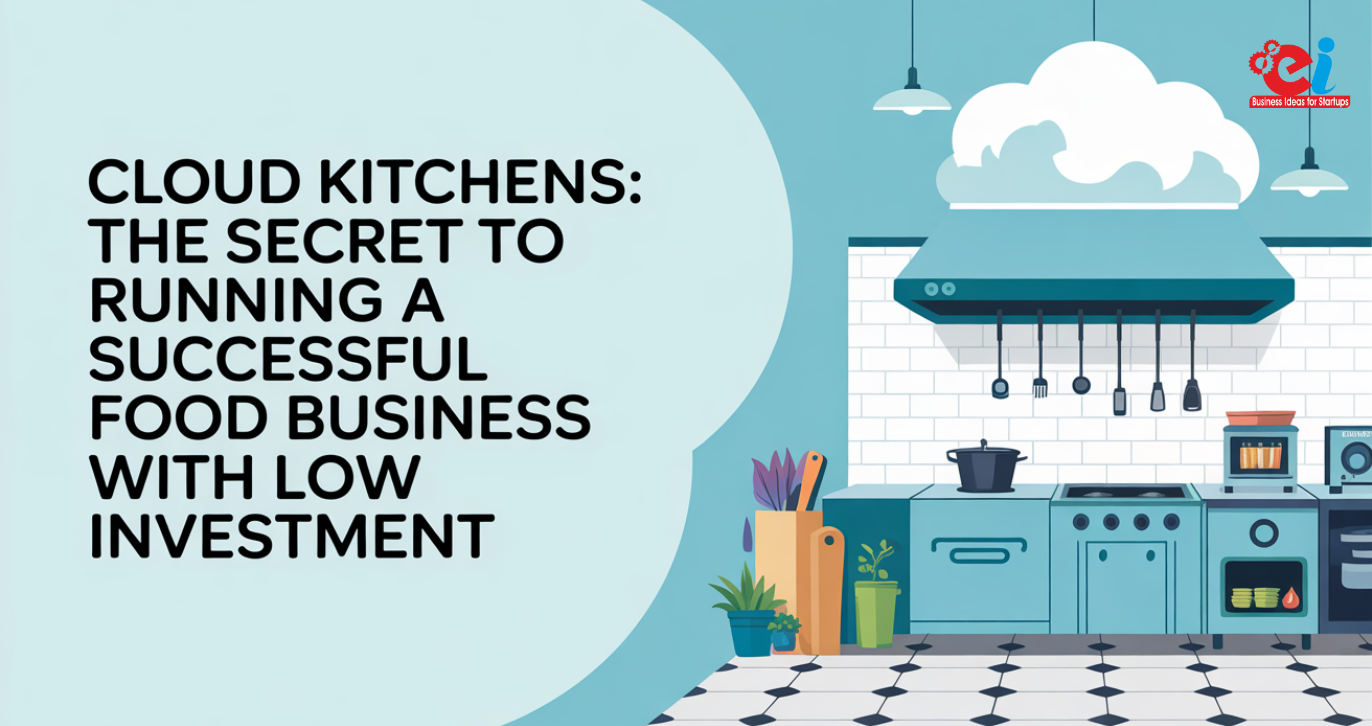
The cloud kitchen is merely a warehouse for preparing food service for online orders. Unlike traditional restaurants, cloud kitchens have no front-end dining; their major means to serve customers are food delivery platforms like Zomato, Swiggy, Uber Eats, etc.
Related Article: 25 Business Ideas in Karnataka for 2024 (Low Investment)
Types of Cloud Kitchens
1. Independent Cloud Kitchen
2. Multi-Brand Cloud Kitchen
3. Aggregator-owned Cloud Kitchen
4. Outsourced Cloud Kitchen Commissary
Advantages of Cloud Kitchens
1. Low Initial Investment
Of the many benefits available to cloud kitchens, low capital investment must be emphasized first and foremost. Traditional restaurants require a prime location and high decorating and maintenance costs; cloud kitchens work in lower-cost real estate or shared kitchen spaces. Instead, the opportunity for entrepreneurs to start a food business is much lower.
2. Lower Operational Costs
Since they are highly profitable, requiring fewer resources to operate and virtually no overhead, cloud kitchens do considerable savings. Such businesses do not need costs associated with wait staff, management of any items associated with front-of-house service, expensive interior decor, utilities, or room upkeep.
3. Scalability and Flexibility
Thus, cloud kitchens allow rapid growth without the actual establishment of different physical locations. The entrepreneurs test many different locations, menu items, and intriguing concepts and risk almost nil while being completely flexible to adjust very quickly to market demands.
4. Data-Driven Decision Making
Cloud kitchens, which are digital operations at heart, gather data to effectively analyse menu performance, various pricing strategies, and possible customer preferences. This helps businesses make decisions to widen profit margins.
5. Wide Market Reach
Cloud kitchens can tap into larger markets without geographical hindrances through food delivery platforms. Partnering with many delivery aggregators gives the brand wider visibility and customer access.
6. Simple Experimentation with Branding
Cloud kitchens make it a whole lot easier to start with a new brand, a new menu, or a new place than any brick-and-mortar restaurant. Companies can test different food concepts minus the huge costs.
Read our blogs: Ready to Eat Food Manufacturing: Shaping the Processed Food Industry in India
Challenges of Cloud Kitchens
1. Intense Competition
Ever since they grew in popularity, there has been very stiff competition for cloud kitchens. Therefore, they must find ways to differentiate themselves by unique menus, superior quality, and branding. Moreover, 2. Dependency on Third-Party Delivery Platforms. Cloud kitchens this time rely on all deliveries and quite a leaning one at that, on operational aspects like high commission, from a very low 15% to 30% on orders, which is very high. With such commission structures, it becomes difficult to yet profit margins to run the show; therefore, smooth execution is a must.
3. A Limited Form of Interaction with Customers
Unlike a traditional restaurant, in a cloud kitchen format, there is no direct interaction with their customers, making it difficult to hit the brand market and retain customer loyalty.
4. Logistics and Delivery Efficiency
Proper logistics and, above everything else, timely delivery are what win the customer’s heart. Building partnerships with steady delivery platforms or setting up an in-house logistics solution is a prerequisite for success.
5. Food Quality and Packaging
In the case of cloud kitchens that solely depend on delivery, the clouds need to keep their food standard and packaging very carefully. If the packaging is weak, it may lead to spillage, loss of temperature, and bad reviews.
How to Start a Cloud Kitchen Business
1. Market Research and Business Plan
Thorough research should be conducted on market behavior concerning customer preference, competitive place, and demand trends. The business plan should deal with menu offerings, pricing strategies, marketing, and financial projections.
2. Choosing an Appropriate Location
Pick a location and offer the cost plus convenience of expediting delivery. Industrial belts, shared kitchen locations, and cloud kitchen hubs are ideal locations.
3. Setting up the Kitchen
Depending on the cuisine, buy the most suitable kitchen equipment. Consider the used or rental option for initial savings.
4. Packaging and Delivery Optimization
Get premium, sustainable packaging to keep the food fresh and presentable. Partner with the best delivery services.
5. Built A Comprehensive Order Management System
Streamline order placements and inventory tracking with high-end technology-based POS systems and cloud-ready kitchen management software, thereby analysing performance data with ease.
The Future of Cloud Kitchens
Indeed, the entire cloud kitchen business is bound to experience enormous magnitudes of growth because customers are increasingly moving online to order food. All these would be accompanied by more innovations in AI-driven menu tailor-making, drone delivery systems, and cloud-kitchen automation.
Key Trends to Be Aware Of:
- AI and Data Analytics: Personalization and Predictive Demand Sensing.
- Automated Cooking Technologies: AI-powered kitchen automation meeting its efficiency.
- Hoist in Health and Sustainability Focus: Growing consumer demand for organic, plant-based, and environmentally friendly packaging solutions.
- Direct-to-Consumer Models: More brands are launching their own websites and apps to reduce reliance on third-party platforms.
Closing Thoughts
Cloud kitchens offer a ready-to-serve opportunity that is high in the numbers for aspiring food entrepreneurs and existing restaurant owners looking to grow with lower investments. This is where technology, data analytics, and cost-efficient delivery modes come into play, ensuring maximum profit with changed operational risks.If you want to step into the food industry by now, a cloud kitchen would be your safest bet in terms of cost savings, scalability, and an investment model that is less prone to obsolescence. Now is the right time to enter this booming industry and carve out a space for a successful brand in the ever-increasing food delivery ecosystem.