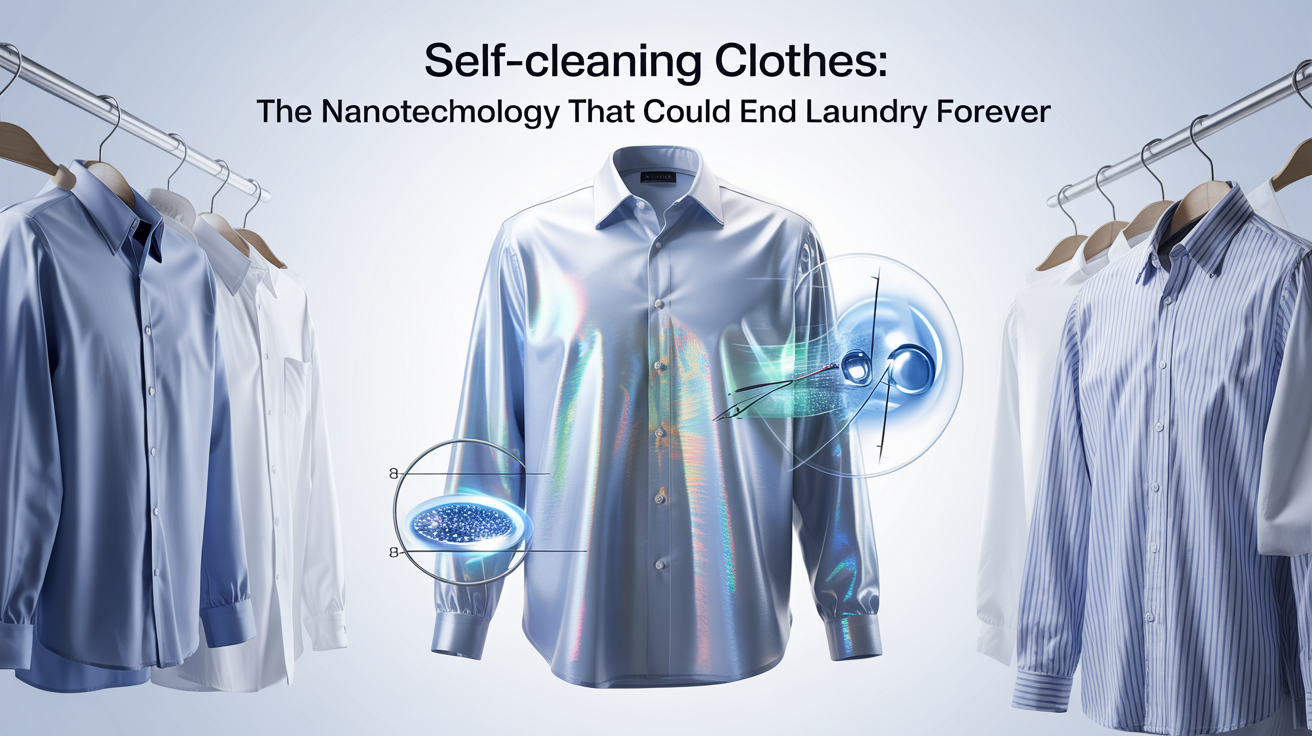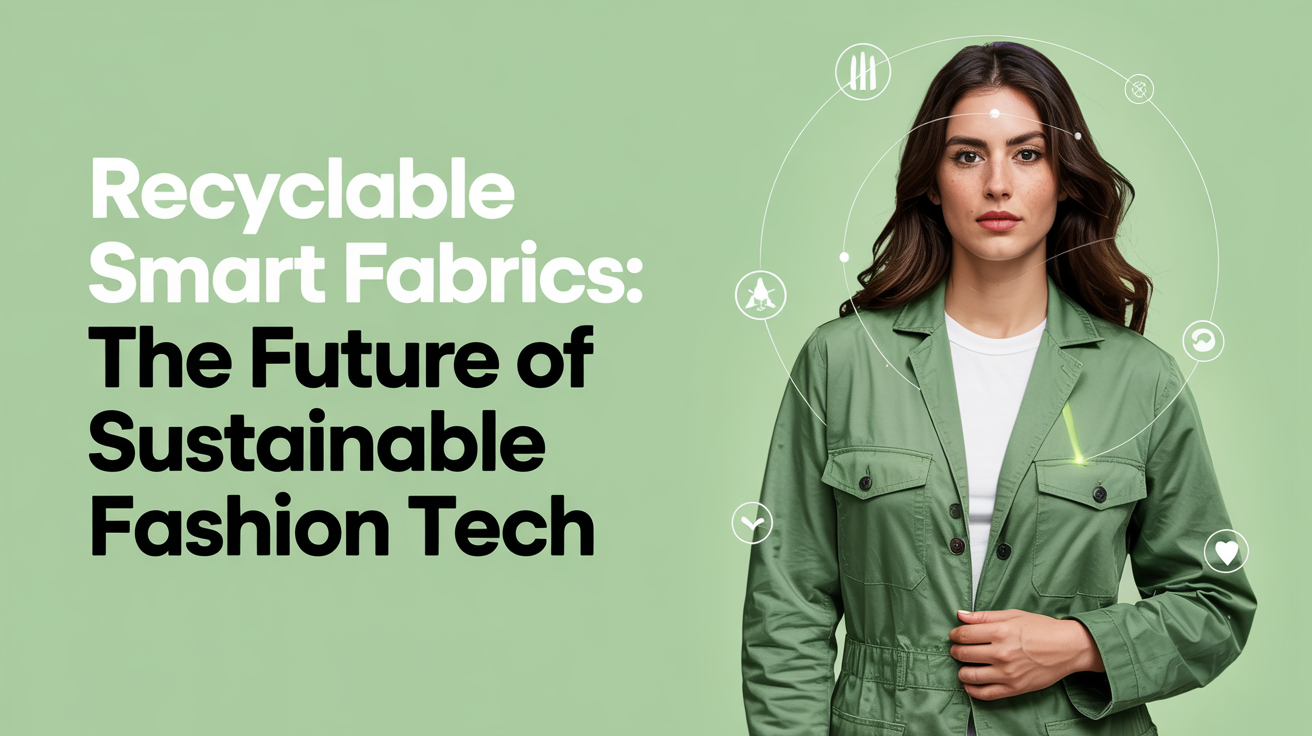






Fashion, it would appear, is not merely subject to the occasional changing of the style; it is also evolving through the present innovations that change fabrics, their usages, and what happens to them after a while. Among the new developments are exciting recyclable smart materials that respond to environmental cues and, at the same time, promise the future of fashion sustainability. The above-named smart fabric serves to help with issues relating to health monitoring, adjusting according to weather conditions, or connecting to digital devices. Users can all enjoy benefits from sports attire, medical clothing, military uniforms, or even designs in high fashion.
Features:
- Temperature control
- Heart rate tracking or tracking of motion
- Absorbs UV
- Color changes
- Built-in electronics or sensors
It’s impressive to prioritize intelligence, but those bring nasty drawbacks: waste.
Sustainability Crisis for Fashion Alone
The fashion industry is famous for being among the few greatest polluters in the world. Fast fashion uses a lot of space, and production leaves behind enormous textile waste: more than 92 million tonnes of textile waste that the earth generates every year. Most smart textiles are composites of plastics, metals, and chemicals, making recycling difficult or often impossible. Disposing of clothes ends in talking about landfilling them or incinerating them, which is not good for the environment. This takes us into recyclable smart fabrics. The practicality of smart textiles combined with the ecologically beneficial value of recyclability proves to be a win-win for both fashion and the planet.
Overview of Recyclable Smart Fabrics
Recyclable smart fabrics consist of high-tech and smart textiles or fabrics possessing next-generation features, such as sensing, adapting, or monitoring, and being designed also to be reusable or safely decompose at the end of use; simply put, they are intelligent enough to favor your side and smart enough to not harm the Earth after you use them.
These are some of the major features:
- Modular Components: Sensors or electronics that can be easily detachable before recycling.
- Sustainable materials: Fibers that can decompose, recyclable fibers such as organic cotton and hemp, or specially designed polymers.
- Closed-loop recyclability: Engineered for reintegration back into the production loop while maintaining top quality.
Recyclable Smart Fabrics are high-definition textiles that promise advanced sensing, adapting, or monitoring functions while creating materials that can be reused or decomposed after they have outlived their life cycle.
Related Videos: Textile Industry
How Do Recyclable Smart Fabrics Work?
Developing such a fabric-smart also recycled fabric is no easy task. A careful choice of materials and engineering must come into play. Here is a commercial approach to how scientists and designers attack the issue:
1. Removable smart components
Specific smart garments have electronic appliances such as batteries or sensors that can be removed before their recycling process. This concept minimizes e-waste because of the modular construction.
2. Mono-material Construction
The recyclability of smart textiles is often based on single-material designs, such as 100 percent recyclable polyester for base fabric and embedded circuit materials, as opposed to blending many materials that are difficult to separate later (like polyester-cotton blends).
3. Recyclable Thermoplastics
Recycling of smart textiles is possible using recyclable thermoplastics such as polyethylene terephthalate or thermoplastic polyurethane since the materials can be melted and used without losing their quality.
Examples of Real-Life Recyclable Smart Fabrics
Several companies and research groups are already showing great promise in this space.
Circular Systems (USA)
They are an innovator in textile-to-textile recycling, with possibilities of embedding smart technologies within their recyclability at the front-end of the process.
Wearable Life Science (Germany)
Athos’ smart fitness apparel is engineered for recycling and primarily features minimalistic, embedded electronics that can be easily removed and reused.
BioLogic Project, MIT
Thus, they design clothes that are bio-reactive materials-having, even living cells that react to body heat by opening and closing vents. All these components are biodegradable; thus, the entire garment will decompose naturally.
SMART Textile Consortium (EU)
The partnership across Europe is putting the framework for recyclable and modular smart clothing in place throughoutRevolutionizing the Textile Industry with Natural Dyes and Sustainable Fabrics sectors.
Also Read: Revolutionizing the Textile Industry with Natural Dyes and Sustainable Fabrics
The Environmental Benefits
Recyclable smart fabrics could transform fashion’s greening:
1. Waste Minimization
They no longer need they be thrown away or disposed of when no longer wearable-smart fabrics have been stretched or reused and can be recycled.
2. Saving Energy and Water
Less energy and water are consumed as materials are recycled rather than manufactured from scratch into new garments.
3. Lower Chemical Use
The above-mentioned classes of materials possess either organic or friendly-to-the-disposal properties, decreasing reliance on harmful dyes and finishes.
4. Encourages Circularity in Fashion
Bring about continuous collection of old clothes into new activities: a sustainable closed-loop economy supported.
Applications of recyclable smart fabrics
Their innovative use is not confined to wearables but also stretches across various fields:
- Smart bandages/cloths measured with the body while being biodegradable after use.
- Sports and Fitness
- Performance tracking by attire and seasonal recycling.
- Armed and Spaceship
- Apparel that complies with environmental conditions and breaks down harmlessly after missions.
- Consumer Fashion
- Daily clothing attached to devices but does not end up in a landfill.
Problems and Constraints
Despite the inherent potential, recyclable smart materials have encountered some challenges.
1. High Cost
Smart and recyclable fabrics require cutting-edge materials and processes in manufacturing, which is usually expensive.
2. Durability
In general, biodegradable or recyclable materials have a limited lifespan compared to conventional fabrics.
3. Technical Integration
The technical combination of function and environmental friendliness requires high-level engineering and testing.
4. Lack of Recycling Infrastructure:
Even if the fabric is smart enough and recyclable, it is not possible for easy disposal without the facility for recycling at a specific level. But increasing awareness and investment in this cause have slowly started overcoming these hurdles.
Future of Recyclable Smart Fabrics
With advancing technology and sustainability not being negotiable requirements, recyclable smart fabric will emerge as a norm in the future of fashionable cut. The following can paint a good picture of what is expected:
- Catalogue of clothing-as-a-service: Renting out smart, recyclable clothing, returning it, and using it again.
- Tagging garments digitally: Fabric-embedded tags that carry information on their recyclability and/or repairability.
- Mainstream in schools, workplaces, and everyday life.
- Government policies pushing for recyclable materials in wearable tech products.
Closing thoughts
Recyclable smart fabrics are what will herald the next big transformation in the evolution of fashion, where ideas meet ethics. They teach that fusion is no longer a compromise: that high-tech can be sustained and sustainable in the same breath. It can be both. As consumers, we can continue to support this movement by choosing brands that value circular fashion, driving eco-conscious product design through advocacy, and remaining informed.