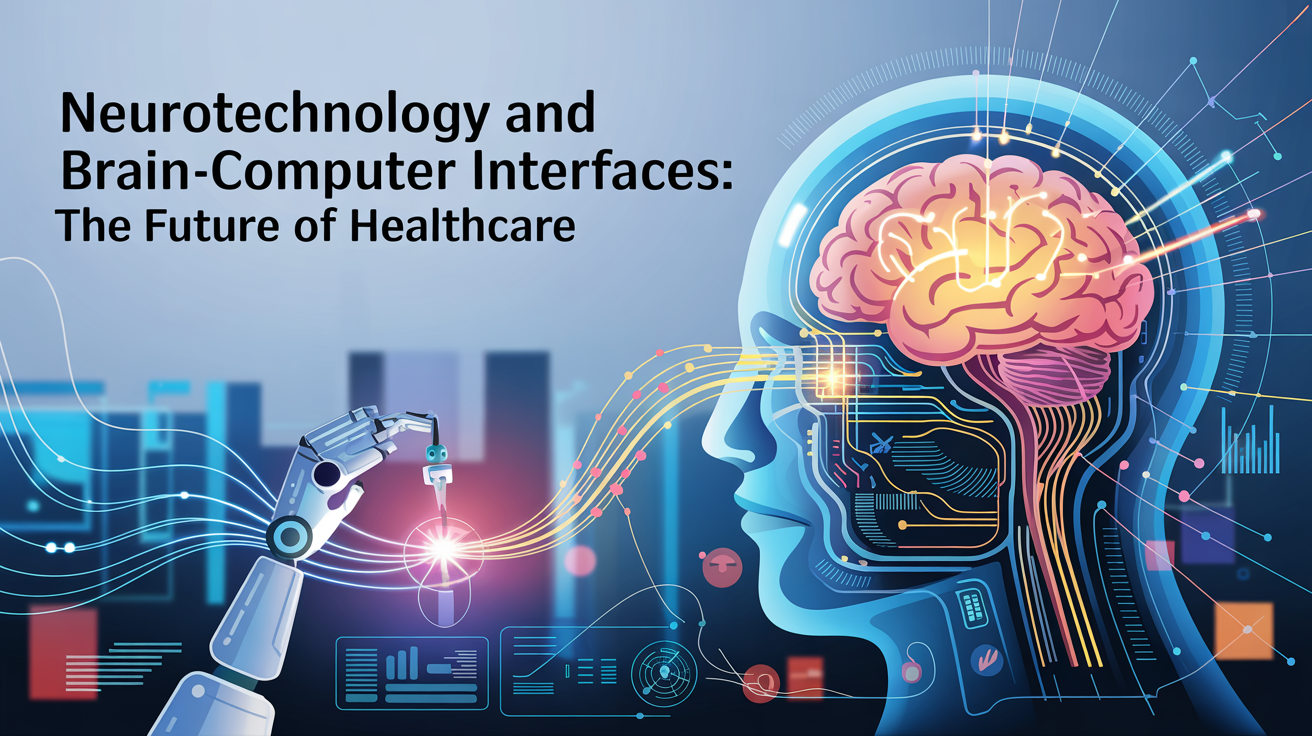






The technological advancement in neurotechnology is radically changing the lives of all and is incurring huge costs in terms of investments made in development. Neurotechnology and brain-computer interfaces shall usher in revolutionary tools in the name of healthcare. These glorious futuristic works of art are turning into good friends for the sake of diagnosis, treatment, and hopefully even for preventing neurological disorders: time for very far, vivid imaginations.
What does Neurotechnology assure?
Neurotechnology assures that building a brain-machine interface is just the tip of it when it comes to the promise of far deeper eventual transformations in our psyche concerning how we understand and even interact with our minds.
Neurotechnology comprises a complete armoury of tools and methodologies for monitoring, controlling, and basically understanding nodes of the brain and entire nervous systems. It also involves numerous devices and technologies that perform direct interactions with electrical or even biochemical activities of the brain. For instance, non-invasive, wearable brain monitors that measure brainwaves and implantable electrode chips can restore lost brain functions. All these neuro technologies work by creating a bridge between biological design and digital design.
Also read: The Wellness Revolution: Holistic Health Trends to Watch This Year
Classification of Neurotechnology
Neurotechnology is broadly classified into two major divisions:
- Monitoring Technologies- EEGs (Electroencephalography), fMRIs (Functional Magnetic Resonance Imaging), and MEG (Magnetoencephalography) investigate such brain activities.
- Intervention Technologies- such as deep brain stimulation or transcranial magnetic stimulation, are technologies with the ability to elicit some change or manipulate some alteration in brain activity for therapeutic purposes.
A Close Consideration of Brain Computer Interface (BCI)
BCI, or brain-computer interface, is a direct communication pathway from a human brain to external devices. BCIs interrupt normal modes of communication, such as speech or movement of one or more skeletal muscles, and rely on the electrical activity of the brain or eye to send control signals to other machines or software.
They include:
- Invasive- implanted into brain tissues,
- Partially invasive- implanted inside the skull but outside the brain tissue,
- Non-invasive- placed on the scalp, like EEG headsets.
Ultra-direct ones were originally conceived as developing technologies to empower paralyzed or otherwise mobility-impaired individuals to manipulate external goods and systems; however, other ever-increasing areas of interest and application within the healthcare environment and other non-medicinal fields have begun to infiltrate.
What the Future Might Hold for Patient Care in Neurology
Neurotechnology, BCI, and the treatment of neurological diseases contain vast possibilities. In the past, this complexity of signals from the brain has made the management of many disorders, for example, epilepsy, Parkinson’s, ALS (Amyotrophic Lateral Sclerosis), or stroke, extremely difficult.
Read Similar Blogs: What Are Profitable Pharmaceutical or Pharmacy-Related or Health-Related Business Ideas?
Helping the Disabled
BCI applications that restore independence to individuals having seriously debilitating conditions are perhaps the most inspiring of all. Paralyzed patients can now move their wheelchairs, enter data on screens, or control robotic arms for use with thought alone. The famous case of the paralyzed man who operated a BCI to play a video game and send messages through a brain-controlled interface exemplifies this. Recent developments have allowed quadriplegics to drink water or move objects using robotic exoskeletons controlled by brain signals.
Neurotechnology Meets Artificial Intelligence
The mix of artificial intelligence (AI) and neurotechnology is a great paradigm shift. When AI algorithms analyze large amounts of brain data, they are sometimes able to spot patterns that go unnoticed by human perception. This adds great firepower for getting an early out diagnosis of things like neurodegenerative diseases such as Alzheimer’s, or detect mental health disorders far earlier.
For example, AI could help decode neural signals in real time, giving users a responsive and accurate control of prosthetics or communication devices for those incapable of speaking.
Ethical and Privacy Concerns
There will be ethical issues regarding such great power. Brain data is intimately personal and can disclose thoughts, emotions, and cognitive states. This calls into question very serious issues concerning privacy and consent, and data security. So, whose property is brain data? Is it capable of being hijacked for commercial purposes? What if it’s hacked?
Even the very idea of manipulating or enhancing brain activity quickly raises such notions as identity, autonomy, and social equity. What kind of access will these technologies afford- to anyone or just to people who can afford them? It will be very necessary to draw up clear ethical frameworks and policies as neurotechnology integrates ever more into common healthcare systems.
The Future of Neurotechnology in Healthcare
The future of neurotechnology emerges as bright and full of possibilities. Here are just a few of the many emerging trends worth watching for:
1. Personalized Neurotherapies
Neurotechnology could pave the way for more efficient and less invasive therapies for mental and neurological illnesses simply by tailoring treatments to the individual’s unique patterns of brain activity.
2. Tele-neuro health
Wearable neuro devices could communicate with a smartphone to allow for near real-time monitoring of patients with epilepsy, depression, or Alzheimer’s in a feedback and early warning system.
3. Neural Implants for Sensory Restoration
Vision or auditory recovery is one of the future objectives of a project like Elon Musk’s Neuralink, which aims to enable or restore sensory abilities through brain implants. Such devices will eventually enhance our natural senses.
4. Brain-to-Brain Communication
Although still in its fledgling stages, scientists are researching the feasibility of brain-to-brain interface technology. It sounds like science the transmission of thoughts directly- but it could open new avenues into communication, learning, and therapy.
Closing Thoughts
Neurotech and brain-computer interfaces are quickly becoming a reality, evolving with speed toward the future and transforming not merely the diagnosis and treatment but also the understanding of brain-related conditions. Helping paralyzed people regain their earlier independence, treating mental health disorders, or augmenting cognitive abilities are a few examples of redefining healthcare. Moving into this new era, it is now possible to balance innovation with responsibility. The brain is the most personal reality of who we are, and as we come into a new kind of intimacy with it, we must ensure that our use is ethical, equitable, and highly respectful of human dignity. The future of healthcare does not only lie in treating the body but also in understanding and empowering the mind.