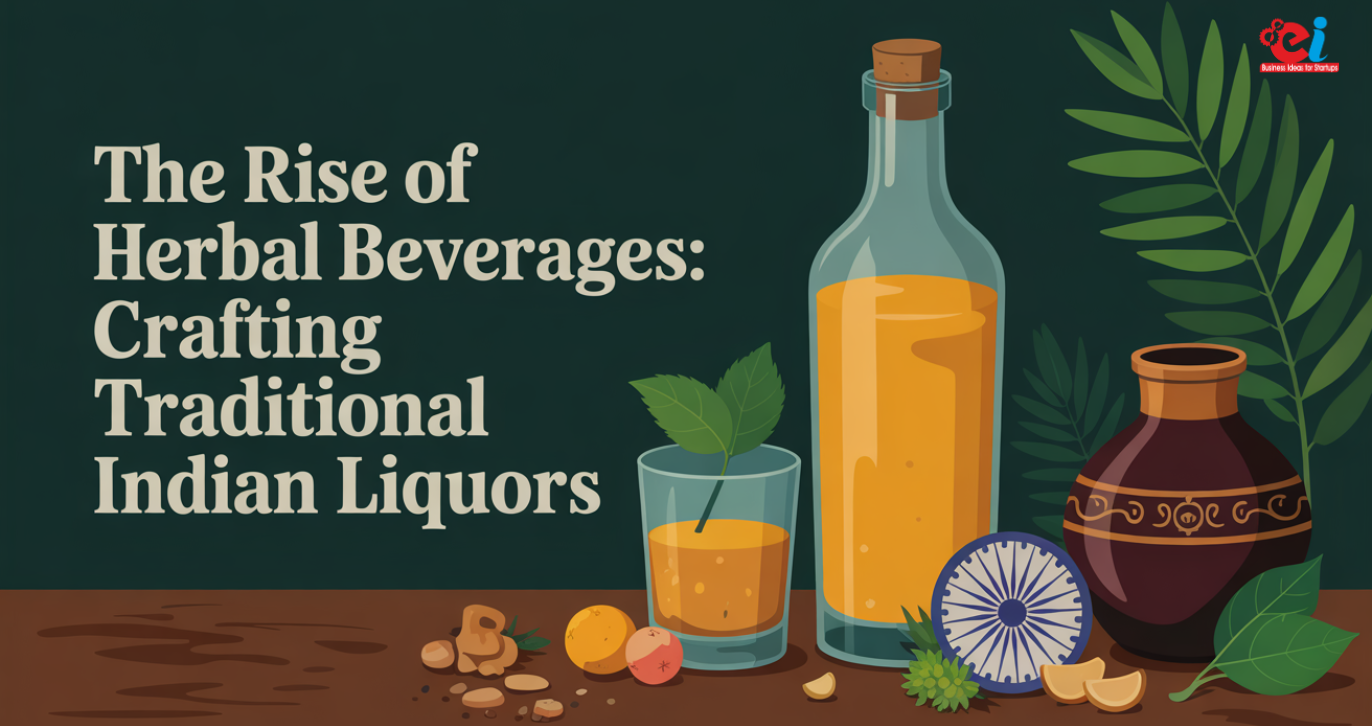






India has housed its mouthwatering traditional-making beverages since ancient times in history, merging the wealth of herbs, spices, and other local ingredients. From the very beginning of Ayurvedic medicine, local potions have had an ancient touch for herbal beverages in Indian culture. With the drift in time, these beverages have become very popular again, probably just because of their tastes and benefits to health, along with becoming close to nature in wellness-oriented combinations. Infused herbal traditional Indian drinks are reliving again.
Importance of Traditional herbal beverage
The importance of traditional herbal beverage formulations in the history and revival aspect of India for modern needs.
Herbs to make drinks in India are part of a centuries-old Indian tradition.
It is thirst-quenching herbal drinks that have been maintaining the health and well-being of men, according to Ayurveda, the ancient science of life, constituting one of the oldest forms of medicine.
The first reference to herbal liquors must be derived from Vedic texts, in which herbal drinking is sacred and has been considered to have medicinal or therapeutic value.
These drinks used to comprise herbs such as ashwagandha, tulsi, Brahmi, saffron, etc., mixed with fermented grain or fruit to allow for various flavors.
Types of traditional herbal beverage
Himalayan Chhang
Long before India’s high-flavored herbal infusions are found, somewhere in the lands, variegation includes:
1. Mahua
Mahua is a tribal liquor brewed from its flowers-hence the name-from the Mahua tree (Madhuca indica).
It is grown abundantly in Central India, where the tribal people have been making this for hundreds of years.
Not merely an alcoholic drink, it claims not only to stimulate one’s appetite but also to energize the body, making one ready for the day.
2. Feni
Feni is a well-renowned and loved Goan drink, and its making is either from cashew apples or sap.
All these wonderful spices additionally do good for digestion and inflammation.
3. Arak
Arak, a distilled liquor, is obtained from the fermented sap of palms.
Herbal Arak is an infusion that retains a very special flavor and helps in digestion.
4. Kesar Kasturi
Kesar Kasturi is a rare and luxurious Rajasthani liquor made from saffron (kesar) mixed with 20 other herbs and spices. Traditionally, this was served to royal families, characterized by a strong and rich aroma warming the body.
The Science Behind Herbal Infusions in Liquor
Traditionally, drinks were infused with herbs not just for flavor but also for health benefits. Many of these contain bioactive compounds that catalyze the digestive process, aid in metabolism, and produce antioxidant effects. For example:
- Ashwagandha is well-known for its magical qualities, which help people deal with stress.
- Tulsi has several antibacterial qualities.
- Cardamom and fennel are among those providing great aid for digestion and refreshing flavor.
- Saffron, which boosts mood, is also an antioxidant.
They have different methodologies of infusion into liquors. Some go into the fermentation” stage, allowing the deep penetration of their compounds into the brew, while others are added post-distillation to preserve their delicate palate.
Herbal Drinks Re-Engineering in Modern Days
The increasing health consciousness among a lot of people is witnessing a rebirth of herbal liquors in India. Many craft distilleries and breweries are modernizing these yesteryear drinks. These drinks are still organic in purity and authenticity. Some important factors behind their comeback are the following:
1) Emerging Craft Distilleries
Demand for unique and craft beverages is giving rise to experimentation with traditional recipes among India’s emerging craft distilleries. The result is the fusion of the ancient art of brewing and present innovations that has emerged into a potpourri of herbal liquors for the interest of both the traditionalists and modern drinkers.
2) Focus on Ayurveda and Wellness
The world is a very well-green world trend that has already touched the liquor industry. There are new Ayurvedic formulations being added to spirits and emphasized as more wellness-drinking. For this, herbal-infused liquors are sold as digestive or stress-relieving potables.
3) Sustainable and Locally Sourced
Many of them are coming up with a story on their labels about locally sourced ingredients, engaging indigenous farmers, and making it sustainable-the development works for India in conserving the rich botanical heritage but holds economic resource value to rural India, which grows medicine herbs and brews native beverages.
4) Trends on Infused Cocktails and Mixology
Herbal beverages are also set to enter the world of mixology. Bartenders and cocktail makers are experimenting on mixing herbal liquors to create cocktails. Drinks made from Mahua, Feni, or saffron-infused spirits are gaining popularity in the high-end bars and restaurants, promoting these traditional flavours to newer, evolved audiences.
Challenges and Future Projections
Challenges lie in scaling up production and getting regulatory approvals for herbal beverages. Some of these include:
Regulatory Hurdles: Traditions define many of the liquors which are still termed “country liquors” making them unfit for the mainstream market.
Standardization Issues – Regulation of Production: Production of herbal liquors varies considerably across regions leading to huge quality variations in the final product.
Consumer Awareness: The scenario here is that most people are ignorant about these drinks and their health benefits, so educative campaigns and marketing activities must be performed.
Also Read: How to Start a Successful Herbal and Organic Cosmetics Brand?
Closing Thoughts
Herbal beverages have remained an integral part of Indian culture throughout the centuries, acting as repositories of taste and medicinal values. Giving a fresh lease of life to these traditional liquors would provide them with a platform for wider marketing, while the value remains intact. As craft distilleries gain momentum and wellness trends emerge, herbal liquors will carve a unique niche in the global beverage canon. Be it in a traditional sense or in wacky new cocktails, these age-old drinks are set to stage a spectacular comeback, toasting to India’s heritage in a glass.