Best Business Opportunities in Gambia, Africa- Identification and Selection of right Project, Thrust areas for Investment, Industry Startup and Entrepreneurship

The Gambia is the smallest mainland country in Africa and, thanks to its geographical location on the coast of the Atlantic Ocean in West Africa and completely surrounded by Senegal, the smallest enclave in mainland Africa, main status also brings regional and international market advantage. Realistically, The Gambia possesses a sturdy economy fundamentally driven by the agriculture, service, and tourism sectors. 

Establishment of numerous development entities like Gambia Vision 2050, that profiles the country development pathway on a comprehensive term and the coming to being of an eventual self-sufficient socio-economic society by 2050, and, more recently the National Development Plan 2023–2027 that, further reinvestment in the private sector, intensifies industrialization and economic diversification, all the while maintaining a safe investment political stability adaptable to create a quality space, and elevated infrastructure base. In incremental paces, The Gambia is becoming a regional trade, logistics, production, and agro-industrial hub, henceforth an extensive range of possible forestry, tourism, soft manufacture, renewable power, ICT etc. investment opportunities.

Reasons to Start Industry in The Gambia

  • Strategic location and market access - the Gambia’s geographical Atlantic coast access is the necessary leap to both the neighboring West African and the European markets. The Gambia is also compliant with ECOWAS, the more convenient duty-free market of more than four hundred million people. A natural access lounge is also available through the entrance at the Port of Banjul, the most optimal trans-shipment and re-export hub in West Africa.
     
  • Abundant agricultural and natural resources - the agriculture sector, which heavily captures roughly 24% of the total GDP of the county, is still the country’s major rather than only economic base. The 70% population employed in the agricultural sector live on primary agricultural production of groundnuts, rice, cassava, maize, and other food crops as well as fruits and horticultural products. Irrigation agriculture, agro-industrial development along the fertile banks of the river Gambia is gigantic. 
  • Government-led industrialization and diversification drive -  the government has focal and poised agro-industries, manufacturing, renewable energies, and the ICT subindustries as the major investment sectors for the vision. The Government of The Gambia through its industrial policy provided a newly fused national investment and export promotion organ to offer more local investor support particularly on the development of added value, import replacement, and entrepreneurship.
     
  • Infrastructure and energy access improvements - by the refurbishment of the roads. Besides the transcontinental major transport infrastructure, the telecommunication sector matured like airspace. Power sector reforms of the national power supplier NAWEC to include the solar sector power generation and other source extensions to the national power grid are ongoing. It, therefore, placed one step above for industries to sprawl primarily in the continental backyard of Banjul and Greater Banjul Area.
     
  • Political and business environment -  the ongoing reforms of the democratization processes plus the ease of business registration, land acquisition, investment licensing and ownership procedures, among others, have really fastened the recent trend. The embrace of transparency in the institution-specific policies that also embrace individual investor protection has catalytically cushioned both the trust of the local and international investors and their confidence.

Availability of Raw Materials and Supporting Factors

  • Agricultural resources - The Gambia’s fertile land allows large-scale growing of groundnuts, sesame, rice, and a wide array of vegetables. The country ranks among those of significant groundnut producers in West    Africa, with an emerging horticulture industry poised to accommodate new food-processing plants and edible oil and animal feed factories.
     
  • Fisheries and marine resources -  The dense Atlantic Ocean and riverine systems breed hundreds of fish and shellfish species, with bonga, catfish, shrimp, and oysters the most prominent. Aside from intense competition, there are expansive predicaments for fish canning plants, fish farms, and seafood export businesses.
     
  • Forestry and timber - The thick forest would provide raw materials to wooden furniture plants, woodcraft businesses, and extravagant economic charcoal briquette fabricators if the government incorporated responsible forestry management and reforestation strategies  

Why Select Industry for Startup in The Gambia

Entrepreneurs can tap into high-potential sectors aligned with the government’s economic diversification goals:

  • Agro-processing and food industry: groundnut oil refining, fruit juice production, dairy processing, and rice milling have to be established to satisfy the local market that currently imports and can be targeted for export to ECOWAS countries.
     
  • Fisheries and aquaculture : fish processing plants, cold chain logistics, and aquaculture farms have opportunities in the EU market as well as in the traditional fishing background of the local populations.
     
  • Tourism and hospitality: The Gambia’s presence but unoccupied market in terms of eco-lodge, resort, cultural tourism and conference tourism. The launched new infrastructure and airport shadow the seasonality of the industry
     
  • Construction and building materials: Most importantly the small and medium scale production of Cement, Steel, Tiles, bricks, and prefabricated houses is in demand due to the speed of urbanization.
     
  • Renewable energy and green technology: like the Renewable Energy Act mentioned solar farms, mini-grids, and production units of clean cooking fuels are recommended to be considered. The onshore assembly of solar panels and components can be a source. 

Market Demand

The Gambia’s economy’s gradual transformation has increased demand in various sectors:

  • Urbanization: the need for processed foods and construction material fuels the demand for such products; the shift towards processed goods also drives household goods’ demands. Increased regional trade: new opportunities give rise to more logistic and transport services.
     
  • Rising internet penetration: the increased demand for e-commerce, digital banking, or ICT solutions. Green approach the government’s commitment to green investment has increased the demand for renewable energy and subscribed cultivation. Faced with the fact that the government’s revenue is in the exhibition sector, non-traditional business will be better than traditional sectors, thus promoting resilience, creating employment.

Government Support and Incentives

The Gambia Investment and Export Promotion Agency (GIEPA) provides a wide range of investor incentives, including:

  • Tax holidays and duty exemptions on capital equipment and raw materials. 
  • Corporate tax reductions for priority sectors. 
  • Full repatriation of profits and dividends. 
  • Access to land and industrial plots in designated SEZs. 
  • One-stop investment facilitation center for business registration, permits, and approvals. 

In light of the aforementioned detailed analysis, in a politically stable environment, arable land, a youthful population, and a strategic regional location, the focus on industrialization through the private sector, the Gambia will undoubtedly attract investment. In energy—agro-processing, fisheries, renewable energy, ICT, tourism, regional integration, and light manufacturing focus are ripe for growth under the vision 2050 framework. In sum, the Gambia is progressively becoming a hub to the West African market and a pace of sustainable and inclusive growth in the region.


Best Business Opportunities in Gambia, Africa- Identification and Selection of right Project, Thrust areas for Investment, Industry Startup and Entrepreneurship

Please choose a project below related to this category.

Bus and Truck Body Building – A High-Potential Opportunity for Entrepreneurs

Attention to the practical requirements and needs of the logistics operations of a society will always bring meaningful and always needed manufacturin...

Capacity :

11 Nos. Per Day

Plant and Machinery cost:

598

Working Capital :

N/A

Rate of Return (ROR):

25

Break Even Point (BEP):

54

TCI :

Cost of Project :

2545

Pasta Manufacturing: A Tasty Opportunity for Smart Entrepreneurs

In India and many developing markets, pasta is no longer restricted as an infrequent dining out experience and has instead quietly started being an in...

Capacity :

Pasta (1Kg Pack): 5,000 Packs Per Day

Plant and Machinery cost:

271

Working Capital :

N/A

Rate of Return (ROR):

24

Break Even Point (BEP):

TCI :

Cost of Project :

545

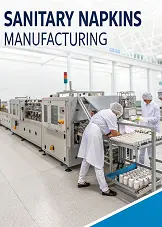
Sanitary Napkins Manufacturing: A High-Impact Business for Modern Entrepreneurs

Adhesive sanitary napkins are a basic consumer item that is directly linked to the health, dignity, and productivity of women, and, of course, the bas...

Capacity :

90,000 Pkts. Per Day

Plant and Machinery cost:

378

Working Capital :

N/A

Rate of Return (ROR):

31

Break Even Point (BEP):

54

TCI :

Cost of Project :

894

Start Production Of Sodium Chlorite (NaClO2) Direct Electrolysis Process from Sodium Chloride to Sodium Chlorite

Chemically, sodium chlorite has the formula NaClO2. It is a white, crystalline material that is non-flammable and odourless. It is employed in industr...

Capacity :

Sodium Chlorite (NaClO2: 15 MT Per Day

Plant and Machinery cost:

567 Lakhs

Working Capital :

-

Rate of Return (ROR):

26.00

Break Even Point (BEP):

48.00

TCI :

Cost of Project: 1892 Lakhs

Cost of Project :

189200000

Hybrid Electric Scooter Assembling

A plug-in hybrid electric vehicle (PHEV) is an HEV that can be plugged-in or recharged from wall electricity. PHEVs are distinguished by much larger b...

Capacity :

50 Nos./day

Plant and Machinery cost:

95 lakhs

Working Capital :

-

Rate of Return (ROR):

34.00

Break Even Point (BEP):

74.00

TCI :

Cost of Project: Rs 279 lakhs

Cost of Project :

27900000

Detergent Cake and Detergent Powder Manufacturing Industry

Detergent Cake and Detergent Powder Manufacturing Industry. Start a Washing Powder and Cake Business Detergent is a blend of surfactants with cleanin...

Capacity :

-

Plant and Machinery cost:

-

Working Capital :

-

Rate of Return (ROR):

1.00

Break Even Point (BEP):

0.00

TCI :

-

Cost of Project :

0

Mango Powder (Amchur)

Mango powder is also called amchur (or amchoor) and is used to provide tartness in Indian dishes. Amchoor or aamchur, also referred to as mango powder...

Capacity :

-

Plant and Machinery cost:

-

Working Capital :

-

Rate of Return (ROR):

1.00

Break Even Point (BEP):

0.00

TCI :

-

Cost of Project :

0

Hybrid Electric Scooter Assembling Business

Hybrid Electric Scooter Assembling Business. Electric Vehicles (EVs) Industry. Business Opportunities in Electric Two-Wheelers Manufacturing Industry...

Capacity :

-

Plant and Machinery cost:

-

Working Capital :

-

Rate of Return (ROR):

1.00

Break Even Point (BEP):

0.00

TCI :

-

Cost of Project :

0

Disposable Plastic Syringes with Needles

The hypodermic syringe, also known as the hypodermic needle, is a device used by medical professionals to transfer liquids into or out of the body.A s...

Capacity :

Disposable Plastic Syringes with Needles 1 ml Size each Packed in Polypack: 82000 Th.Nos./annum

Plant and Machinery cost:

Rs. 2410 lakhs

Working Capital :

-

Rate of Return (ROR):

21.00

Break Even Point (BEP):

17.00

TCI :

Cost of Project: Rs14240 lakhs

Cost of Project :

1424000000

Bentonite Clay Granules

Bentonite is clay generated frequently from the alteration of volcanic ash, consisting predominantly of smectite minerals, usually montmorillonite. Ot...

Capacity :

144 MT/day

Plant and Machinery cost:

63 lakhs

Working Capital :

-

Rate of Return (ROR):

27.00

Break Even Point (BEP):

52.00

TCI :

Cost of Project: Rs. 445 lakhs

Cost of Project :

44500000

Coconut and Cashew Feni

Coconut tree is a member of the palm tree family and the only living species of the genus Cocos. The term "coconut" (or the archaic "cocoanut") can re...

Capacity :

-

Plant and Machinery cost:

-

Working Capital :

-

Rate of Return (ROR):

1.00

Break Even Point (BEP):

0.00

TCI :

-

Cost of Project :

0

Peanut Butter Manufacturing Industry

Peanut Butter Manufacturing Industry. Start a Food Processing Factory. Processed Food Industry Peanut, also known as groundnut, is classified as both...

Capacity :

-

Plant and Machinery cost:

-

Working Capital :

-

Rate of Return (ROR):

1.00

Break Even Point (BEP):

0.00

TCI :

-

Cost of Project :

0

Make An Appointment

Talk to Our Experts Today!

appoinment
Call Us WhatsApp