
• Latest
  • Trending
  • All
Green Manufacturing Certification Guide: Process, Requirements, and Business Benefits

Green Manufacturing Certification Guide: Process, Requirements, and Business Benefits

March 12, 2026
UNNATI Scheme India capital subsidy 30 percent Northeast manufacturing

UNNATI Scheme: India’s Most Powerful Industrial Subsidy for Northeast Entrepreneurs

May 2, 2026
Karnataka energy manufacturing

Karnataka Energy Manufacturing Opportunities: Solar, EV & Biomass Business Guide for Investors

May 2, 2026
Project & Profile
India pump manufacturing factory with industrial pump production line

India Pump Manufacturing Business 2026–2032: High-Growth Investment Opportunity, Market Size & Startup Guide

May 2, 2026
Bhagavad Gita principles applied to MSME business management in India

Bhagavad Gita for Business Success: A Practical Management Framework for MSMEs in India

May 2, 2026
This image represents the growing manufacturing ecosystem in Bihar, highlighting industrial expansion, low-cost infrastructure, and rising investment opportunities.

Why Bihar Is India’s Next Manufacturing Frontier: Energy Sector Opportunities and How to Start

May 2, 2026
Petrochemical Business in India

Petrochemical Business in India 2026: Best High-ROI Chemicals (EVA, Phenol, Styrene, Nylon 6)

May 1, 2026
India Biosimilars Market

India Biosimilars Market: A $1.5 Billion Opportunity for Pharma Startups & MSMEs

May 1, 2026
Flexible packaging machine India

Flexible Packaging Business in India: A High-Growth Manufacturing Opportunity in 2026–2030

April 30, 2026
Paper Bag Manufacturing Business

How to Start a Paper Bag Manufacturing Business in India (2026 High-Demand Business Guide)

April 30, 2026
Contract Manufacturing Business

How to Start Contract Manufacturing Business in India (Low Investment + High Profit Guide)

April 30, 2026
battery chemicals manufacturing plant in India

Battery Chemicals Manufacturing in India: A High-Growth Business Opportunity for Entrepreneurs

April 30, 2026
manufacturing business opportunities in India MSME PLI scheme factories

Industrial Opportunity in India Under PM Modi: MSME Growth, PLI Scheme & Profitable Manufacturing Businesses

April 30, 2026
  • About
  • Advertise
  • Privacy & Policy
  • Contact
Sunday, May 3, 2026
  • Login
Entrepreneur India Blog
  • Home
  • About
  • Books
  • Business Ideas
  • Contact
No Result
View All Result
Entrepreneur India Blog
No Result
View All Result
Home Eco Friendly Sustainable Business

Green Manufacturing Certification Guide: Process, Requirements, and Business Benefits

by admin
in Eco Friendly Sustainable Business
0
Green Manufacturing Certification Guide: Process, Requirements, and Business Benefits
509
SHARES
1.5k
VIEWS
Share on FacebookShare on Twitter

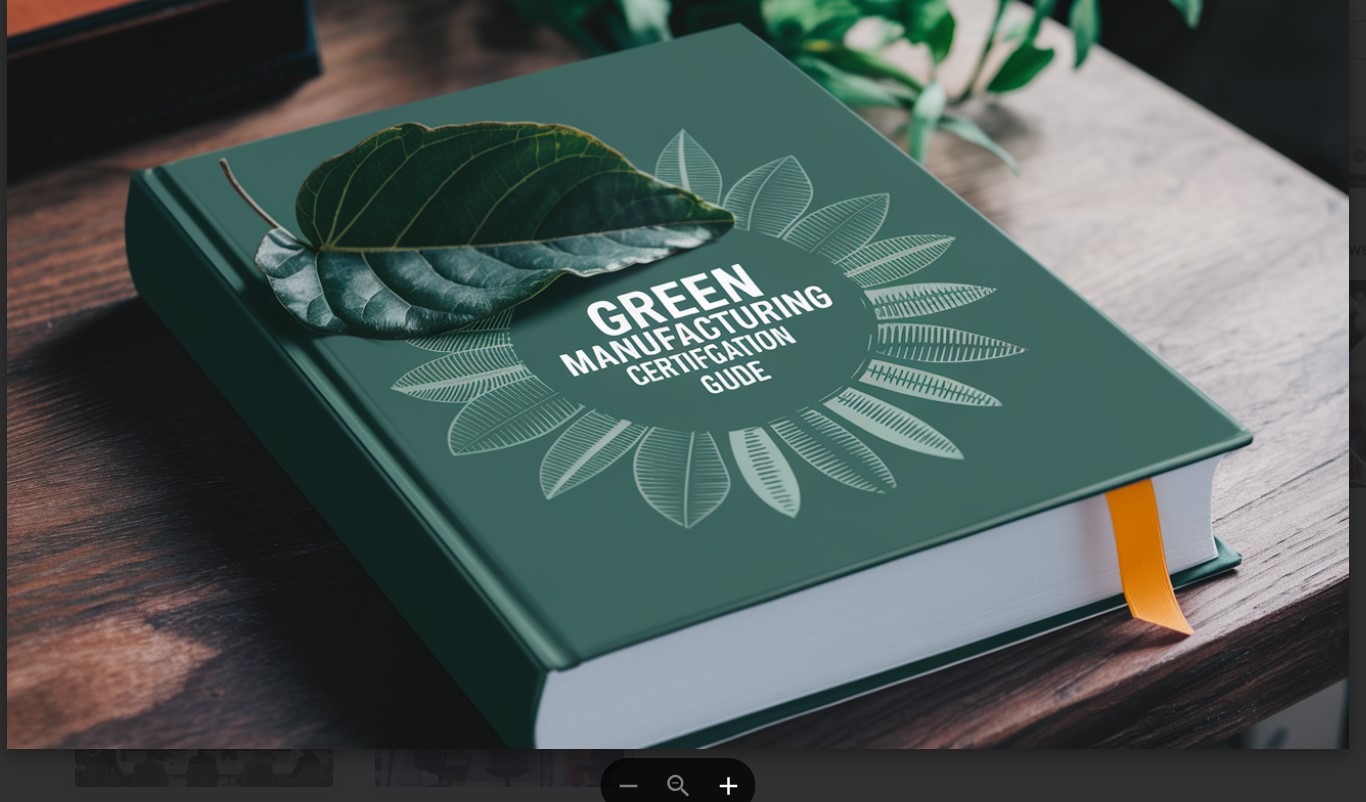
Whether one is a manufacturer, a business owner, or simply an average consumer, understanding green manufacturing will be a merit. It aids in making well-informed decisions for ensuring the products or businesses that one supports comply with sustainable product standards and environmental standards. The following section will take you through vital certifications, their importance, and their place in sustainable manufacturing.

Table of Contents

Toggle
  • Process of Obtaining Green Manufacturing Certification
    • Step 1: Environmental Audit
    • Step 2: Right Certification
    • Step 3: Practice Sustainable Activities
    • Step 4: Documentation 
    • Step 5: Certification 
  • Requirements for Green Manufacturing Certification
    • 1. Environment Management System (EMS):
    • 2. Energy and Resource Efficiency
    • 3. Waste Reduction and Recycling
    • 4. Sustainable Product Design
    • 5. Employee Training and Awareness
  • Green Manufacturing Certification and Its Benefits to the Business
    • 1. Cost Savings
    • 2. Boosting Brand Image
    • 3. Competitive Advantage
    • 4. Complying with Environmental Standards and Risk Management
    • 5. Customer Loyalty
  • Future Growth Trends in Green Manufacturing
    • 1. Circular Economy Practices
    • 2. Sustainable Operations through AI and IoT
    • 3. Greater Strain of Environmental Legislation
    • 4. Consumer Demand for Sustainable Goods Will Increase
    • 5. Green Supply Chain Management 
  • Concluding Thought

Process of Obtaining Green Manufacturing Certification

Step 1: Environmental Audit

Businesses should do an environmental audit before moving for certification so that they can check the current sustainability practices. Some important points to consider in the audit are

  • Evaluation of energy and water consumption.
  • Compilation of waste management and recycling activities.
  • Assessment of carbon emissions and environmental impact.

Step 2: Right Certification

The right certificate is for your needs and type of industry. For example:

  • Assessment of ISO 14001 works for producer companies wanting to develop their environmental management system.
  • LEED Certification is used for establishing a building.
  •  Cradle to Cradle Certification targets companies designing sustainable products.

Step 3: Practice Sustainable Activities

Companies must implement processes that are eco-friendly toward manufacturing, such as

  • Use of renewable energy sources.

Step 4: Documentation 

  • Organize the appropriate documentation to show compliance with environmental standards. Some may include:
  • Reports on actual energy and water use.
  • Waste disposal records.
  • Calculation of the carbon footprints.

Step 5: Certification 

Firstly, a certification evaluates the documentation and confirms overall requirements. If all requirements are satisfied, the company, therefore, receives Green Manufacturing .

Also Read: Sustainability Business Practices: Why Going Green is the Future

Requirements for Green Manufacturing Certification

Different certifications require different criteria, but some of the common criteria include

1. Environment Management System (EMS):

A business shall establish an EMS that contains

Policies to reduce environmental impact.

Procedures to monitor and improve sustainability practices.

Regulated environmental laws and regulations.

2. Energy and Resource Efficiency

A company demonstrates that it:

Uses energy-efficient equipment.

Employs renewable energy solutions (solar, wind, biomass).

Reduces water and raw material consumption.

3. Waste Reduction and Recycling

Manufacturers are to implement waste management practices covering: 

Recycling production waste.

Reuse of material where possible.

Disposal of hazardous substances.

4. Sustainable Product Design

Products should be designed to interact minimally with the environment, with eco-friendly materials and recyclability in mind.

5. Employee Training and Awareness

Companies should train employees with education on sustainability best practices, encouraging them to adopt environmentally conscious behavior at work.

Green Manufacturing Certification and Its Benefits to the Business

A green certification is a booster for the positive image of the brand, showing commitment to the environment. It works to lure the eco-minded consumers and business partners. 

Also read: Cybersecurity: Safeguarding and Marketing in a Digital Age 

1. Cost Savings

Sustainable measures save costs considerably by way of

Reducing electricity and water bills; 

Diminishing material wastage; and 

Improving efficiency of operation.

2. Boosting Brand Image

A green certification enhances the brand name image of the company and demonstrates to the world a vested interest in environmental responsibilities. Environmentally conscious consumers and business partners will be drawn to your company.

3. Competitive Advantage

Sustainability is becoming more important to stakeholders and customers. Green-certified companies tend to have competitive advantages within their industries. 

4. Complying with Environmental Standards and Risk Management

Compliance with environmental regulations diminishes the risk of legal penalties, as companies work to comply with government regulations. 

5. Customer Loyalty

Reasonable consumers would love to support companies that commit themselves to sustainability. Certification wins credibility for companies and develops a long-term customer relationship. 

Future Growth Trends in Green Manufacturing

1. Circular Economy Practices

More and more companies are accepting circular economy principles, which design products for reuse or recyclability, with the aim of waste minimization.

2. Sustainable Operations through AI and IoT

Smart manufacturing technologies, AI, and IoT are used to optimize energy management and enhance production efficiency.

3. Greater Strain of Environmental Legislation

Governments are enforcing sustainability legislation around the world, which only enhances the worth of certification to these corporations. 

4. Consumer Demand for Sustainable Goods Will Increase

Eco-conscious consumers will demand sustainable and ethically made goods. Green certification is a strong marketing point.

5. Green Supply Chain Management 

Companies are looking into responsible sourcing and ensuring their suppliers also adopt green practices.

Concluding Thought

Overall, Green Manufacturing Certification is a treasure for a firm establishing itself towards sustainable operations, savings, and marketing. With a set checklist in hand for obtaining a Green Manufacturing Certification and a commitment to the principles of sustainability, manufacturers can regard themselves as champions of environmental responsibility.

A Green Manufacturing Certification is, without doubt, a prudent investment in the company’s present and future for any start-up, as well as an existing manufacturer. Start the journey now and help build a greener and more sustainable earth!

Tags: Green revolutionStartups
Share204Tweet127
Previous Post

The Evolution of E-Commerce and What to Expect Next

Next Post

How Medical Device Manufacturing in India Is Shaping Global Markets?

admin

admin

Next Post

How Medical Device Manufacturing in India Is Shaping Global Markets?

Leave a Reply Cancel reply

Your email address will not be published. Required fields are marked *

Contact Us

    Categories

    • Agri Business Opportunities
    • Chemical Industry Business Opportunities
    • Cosmetics and Personal Care Business
    • Eco Friendly Sustainable Business
    • Entrepreneurship Leadership and Startup Growth
    • FMCG Consumer Products Business
    • Food Processing Business Industry
    • Future & Emerging Industries
    • Government Schemes Policies for Business
    • Import Export Business Opportunities
    • Industrial Project Reports Business Guide
    • Investment Funding for Startups
    • Manufacturing Business Ideas for Startups
    • Market Research Trends for Business
    • MSME & Small-Scale Industries
    • Paper Pulp Industry Business
    • Pharmaceutical Industry Business
    • Plastic & Packaging Business
    • Renewable Energy Startups
    • Startup Business Opportunities
    • Startup Business Planning and Strategy
    • Technology & Automation Business
    • Textile Industry Business
    • Uncategorized
    • Waste Management & Recycling Business
    • Water & Environmental Business
    Entrepreneur India Blog

    Copyright © 2026 Entrepreneur India

    Navigate Site

    • About
    • Advertise
    • Privacy & Policy
    • Contact

    Follow Us

    Welcome Back!

    Login to your account below

    Forgotten Password?

    Retrieve your password

    Please enter your username or email address to reset your password.

    Log In
    No Result
    View All Result
    • Home

    Copyright © 2026 Entrepreneur India

    Are you sure want to unlock this post?
    Unlock left : 0
    Are you sure want to cancel subscription?
    Call Us
    Whatsapp