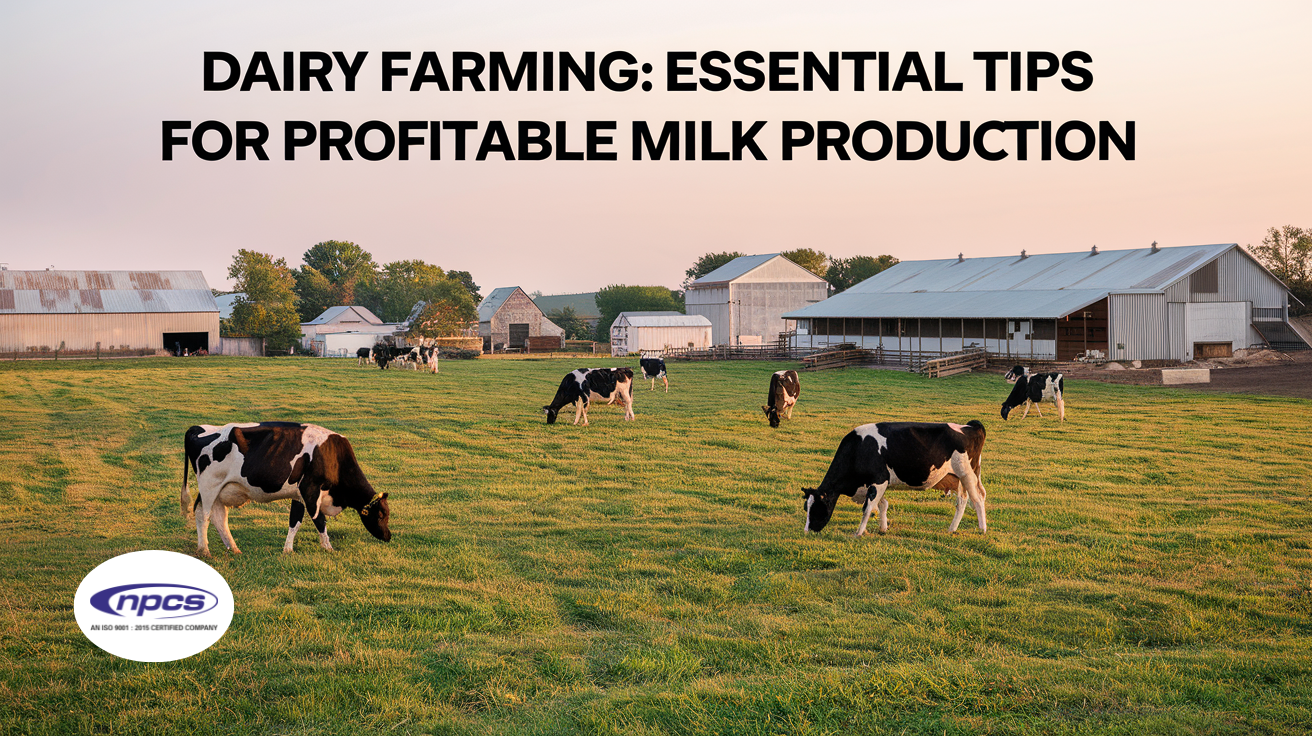






The agricultural sector relies on dairy farming as an essential practice to provide nutritional dairy products to large numbers of people worldwide. Producing profitable milk quantities goes beyond basic cow supervision and regular milk extraction activities. A successful operation for dairy farming production demands thorough knowledge about genetics while also requiring expertise in nutrition herd health as well as environmental conditions and economic elements.
The Role of Genetics in Enhancing Milk Production
Genetic factors play a decisive role in establishing milk output as well as fat levels and protein distributions in the milk produced by dairy cattle. Through genomic advancements, farmers now have the capability to pick breeding animals with excellent genetic traits that help their production numbers increase and make their herd more effective. The dairy industry in the United States is largely controlled by Holstein, who produce ninety percent of the national milk output because of their valuable genetic traits for milk yield.
In genetic selection programs, it is essential to include traits for improved milk yield together with characteristics that enhance feed efficiency, increase reproductive capability, and enhance disease resistance. Genomic testing enables dairy farmers to discover superior cows at an early stage so they can plan breedings wisely. CDCB records show that superior genetic selection leads dairy cows to generate 20–25% better milk output during their productive cycle than cows with typical genetics. Through AI technology alongside embryo transfer methods, farmers enhance their herd quality while helping the herd avoid delayed genetic improvement that comes from traditional natural breeding methods.
Nutritional Strategies for Optimal Milk Yield
The health of herds depends significantly on adequate nutrition because it raises milk production, reproductive capability, and animal health. Dietary needs for lactating dairy cows consist of 16–18% crude protein alongside proper proportions of carbohydrates, fats minerals, and vitamins. According to the National Research Council (NRC), the milk production of cows fed with a total mixed ration containing balanced forage-to-concentrate ratios exceeds substantially the milk output of animals consuming disproportionate diets.
The practice of precisi dairyon feeding that develops feeds according to each animal’s personal nutritional needs leads to enhanced efficiency rates of 10 to 15 percent, together with economic advantages. Immune protection of amino acids and bypass fats permits dairy cows to enhance milk protein and fat contents, which creates higher milk revenue and improved quality per liter, as reported by the University of Wisconsin Dairy Science Department. Dry matter intake assessment helps producers maintain appropriate cow nutrient consumption levels needed for sustainable high milk production without negative impacts on body condition.
Dairy cows need 4-5 liters of water consumption along with milk production at its normal level. очек які можна досягти без сторонньої допомоги для водного доступуможливо збільшити молочну продукцію на 8% в результаті доніблення в журналі Journal of Dairy Science.
Optimizing Cow Comfort and Housing
The comfort level of dairy cattle directly affects production rates for milk. Milk production together with animal fertility decreases due to stress factors, which include overcrowded spaces and hot temperatures along with inadequate bedding. Research conducted at Cornell University shows that cattle living in open-air facilities with proper deep bedding and appropriate enclosure size will yield between 5% and 7% more milk production than animals in restricted and unfavorable conditions.
The combination of sand or deep-bedded sawdust in free-stall barns creates an optimal environment that decreases lameness issues while extending lying time, thus leading to elevated milk production. The milk production of cows declines when temperatures rise above 25°C since they spend energy on cooling themselves instead of feeding and their feed intake reduces. University research at the Florida site indicates that dairy farms implementing cooling methods through fans along with sprinklers and shaded areas achieve summer milk yield improvements of 12-15%.
Reproductive Management for Sustainable Milk Supply
The ability of animals to reproduce along with their sustainable breeding efficiency directly determines steady milk production levels. The optimal interval between calvings should span from 12 to 13 months to preserve cows in their top lactation phase while avoiding extended time without milk production. Industry data shows dairy farms experience long calving periods mostly because of bad heat detection systems as well as reproductive health problems and nutrient deficiencies.
Procedures like OvSynch and Presynch adopted by Penn State Dairy Alliance farms lead to pregnancy rates between 45-50%, which exceed the industry standard of 30-35%. Regular pregnancy checks through ultrasound or blood pregnancy tests enable early detection of reproductive failures so that intervention measures can be executed on time.
Farm success in reproduction has increased due to the implementation of automated heat detection systems and activity monitors. The Journal of Dairy Science published findings that demonstrate that using this technology results in better identification of heat symptoms on farms by 20% while reducing breeding time and shortening the interval between calvings.
Milk Quality and Udder Health Management
The production of high-quality milk depends on both maximizing output along with keeping low SCC numbers and stopping mastitis events. Mastitis represents the costliest dairy farming disease since the National Mastitis Council records annual American economic losses exceeding $2 billion.
The prevention measures for dairy farming involve maintaining a sterilized milking setting, using proper solutions for teat disinfection procedures, and removing cows who are chronically infected. The University of Minnesota released data showing that milk production facilities with rigorous milking procedures and teat disinfection after milking maintain half the mastitis disease frequency solutions.
Milk processor premium standards for quality can be maintained through the continuous monitoring of bulk tank somatic cell counts (BTSCC). Dairies running their operations below 200,000 cells/mL BTSCC receive better milk prices, which leads to greater profitability according to the USDA.
Read More About : Gaining Profits in the Dairy Sector
Economic Considerations and Cost Management
A successful milk production system depends on producing the most product in a cost-efficient manner. Costs associated with feed make up between 50% and 60% of dairy farming expenses, thereby requiring focus on productivity measures. According to the University of Wisconsin Extension, precise feeding methods, when combined with homegrown forages, allow farms to lower their feed expenses by up to 20%.
Labor efficiency also influences profitability. Milking systems that use robotic milking machines decrease labor expenses by 30–40% without affecting or improving milk yield stability. Leading dairy farms demonstrate that automated operations generate a 10-15% investment return, which takes around five years to achieve.
Dairy farmers handle significant volatility in milk prices as a major industry challenge. The combination of futures contracts with forward pricing agreements together with dairy insurance programs supported by governments aids farmers in retaining stable farm income by buffering them from market shifts.
Also Know More About : A Complete Guide to Start Dairy Farming Business in India
Conclusion
In conclusion, profitable milk production is a multifaceted process that requires a combination of genetic selection, precise nutrition, herd comfort, reproductive efficiency, milk quality management, economic strategies, and sustainable practices. By leveraging data-driven approaches and embracing technological advancements, dairy farmers can optimize productivity and ensure long-term profitability in an evolving industry.
“Explore our expert-curated reports and turn your business ideas into reality. Visit NIIR.org for in-depth insights today!”