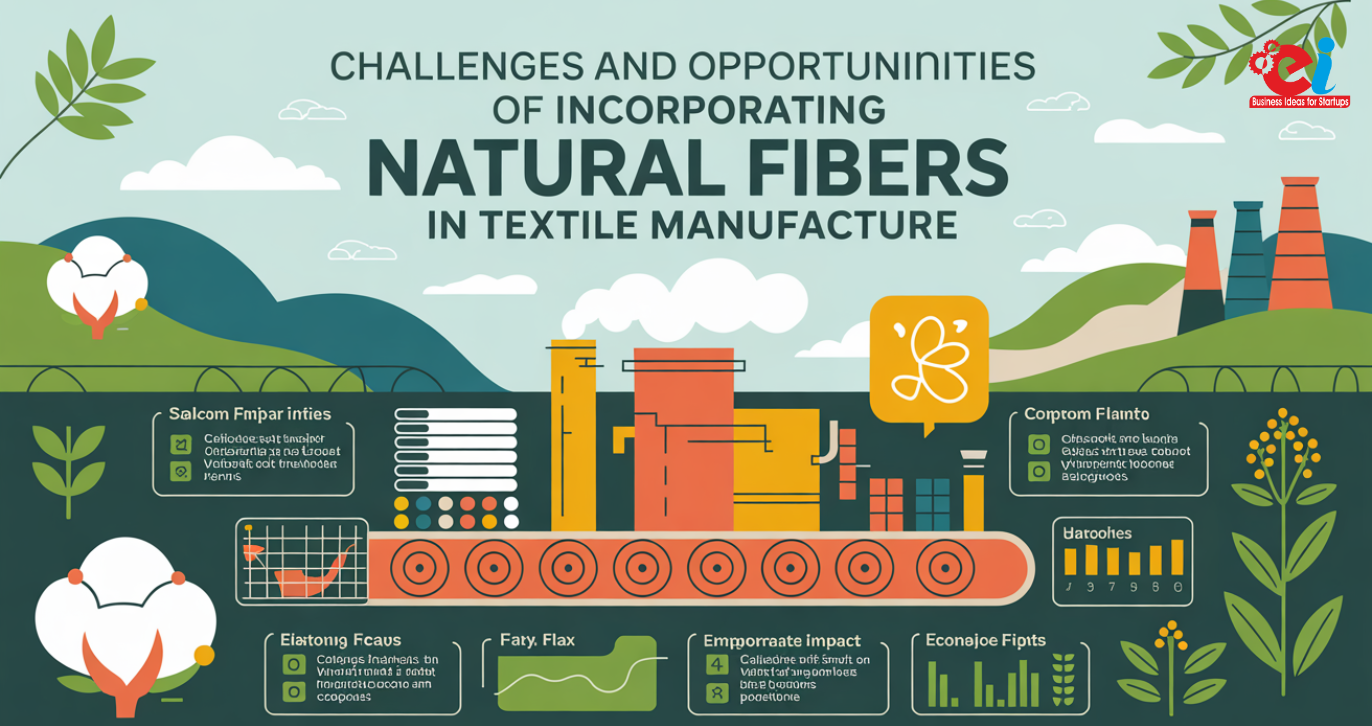





The manufacturing process has changed all classes of textiles and has, over the ages, immediately assimilated various kinds of materials aimed at improving the qualities and standards of sustainability and performance in which natural fibers play a major role in providing the blend of comfort, durability, and eco-friendliness. The article contemplates the pros of natural fibers for textiles, their repercussions on the environment, and ways in which one might harness the merits and ideal production of textiles that would make sustainable, quality fabrics.
Types of Natural Fiber
Natural fibers are of plant, animal, or mineral origin. The following are the most frequently used natural fibers for the making of fabrics.
Cotton
After smoothness and breathability, cotton is a probable fiber for many things, such as fabrics and clothing, household textiles, and many commercial products.
Wool
Wool is just a natural fiber obtained from different breeds of sheep. It provides warmth to the body in cold clothing by its strength and moisture-absorbent property.
Silk
This fiber is obtained from silkworms; the threads made by these creatures are considered the strongest fibers in the world, as well as their texture and luster.
Linen
This newly produced fabric is new and best for the summers and ideal for home textiles; it is lightweight, highly air-breathable, and has a moisture-wicking capacity due to the flax plant fibers that constitute this fabric.
Hemp
Because of this naturally solid, pest-resistant, yet durable fiber, hemp is now widely utilized in the furniture, accessory, and clothing industries.
Alpaca and Cashmere
Highly exotic fibers with excellent warmth, softness, and hypoallergenic characteristics.
Benefits of Natural Fiber in Textile Production
1. Environmentally friendly and Sustainable
Natural fibers are sustainable, biodegradable, and renewable. By contrast, synthetic fibers are completely derived from petroleum. Examples of such natural fibers are cotton, wool, and linen, decomposed by nature to prevent pollution from non-decomposed materials in the landfill.
2. Comfort and Breathability
In general, comfort and breathing qualities can be termed natural fibers. Soaking cotton does not allow any air circulation to keep the body cool in hot weather. Moisture draws insulation from the skin in winter, so the body is warm and dry without the overheating effects of high performance.
3. Practicality and Permanence
Natural fibers such as wool and hemp show quite impressive durability and wear resistance. High-quality wool items are durable for decades, while fabrics made of hemp become softer and stronger with every wash.
4. Anti-Hypoallergenic Property
Natural fibers are almost always said to be the most recommended for those who have very sensitive skin. Wool, alpaca, and silk are all hypoallergenic, thus not easily creating skin irritations and allergies.
5. Decomposition
Unlike synthetic fibers, which simply contribute to microplastic pollution, natural fibers will break down outside. They can, therefore, be considered as an environmentally responsible option for sustainable textile manufacturing.
6. Regulation of temperature
The main thing about the temperature is its regulation. The temperature does not remain static; it varies with time. Natural fibers are those that can regulate temperature conditions. Wool, for example, keeps the body warm during winter and cool in summer; linen and cotton do well in hot regions by good perspiration and moisture absorption.
Challenges of Natural Fiber in Textile Production
However, these advantages come with several listed setbacks in natural fibers:
- Price-dominating factor: Nature-fiber products cost more than synthetic items. Growing, collecting, and post-processing natural fibers all add to the cost.
- Time taking processing– Natural fiber processing usually takes a lot of time, and these procedures are mostly adopted during careful handling for quality assurance.
- Storage- Natural fibers like wool and cotton are severely susceptible to storage pests like moths and fungi. They will, however, require good storage and maintenance.
- Moisture-preserving – Some natural fibers retain moisture and hence can cause mildew or sometimes shrinkage if not properly taken care of.
Eco-Friendly Approaches to Making Textiles
Sustainable practices for natural fiber manufacturers to reap full benefits but lessen drawbacks include:
- Organic Farming – Such as producing organic cotton and wool, no pesticides or chemicals are used during production.
- Water Saving – Dyeing and processing could be made water-efficient so that water would not go to waste.
- Ethical Sourcing: These include partnering with fair-trade farms as well as emphasizing ethical suppliers.
- Eco-Friendly Dyes – Natural or low-impact dyes help reduce chemical pollution in textile making.
- Reduce and Reuse – The Use of fabric scraps and old garments to manufacture new products will limit the amount of textile waste.
Future of Natural Fibers in Textiles
Consumer demand for more sustainable products promises to bring natural fibers future optimism. Innovations in fiber processing, including enzymatic treatments, as well as bio-based dyes, are pushing towards natural textiles for added versatility while increasing durability. Further advances in regenerative agriculture ensure that raw materials continue to be made available responsibly and sustainably.
Closing Thoughts
Natural fibers have wide-ranging benefits regarding manufacturing textiles while paving the way to producing more sustainable, high-quality fabrics. With all this promise, challenges would remain. Using eco-friendly practices and leveraging technological advances are two vital components to making the supply chain more viable for natural fibers in the present-day textile industry. In a more sustainable, environmentally friendly future of fashion and textiles, here is where both consumers and manufacturers come in by selecting natural fiber options in their products.
Read Also : Exploring the Potential of Biodegradable Product Manufacturing