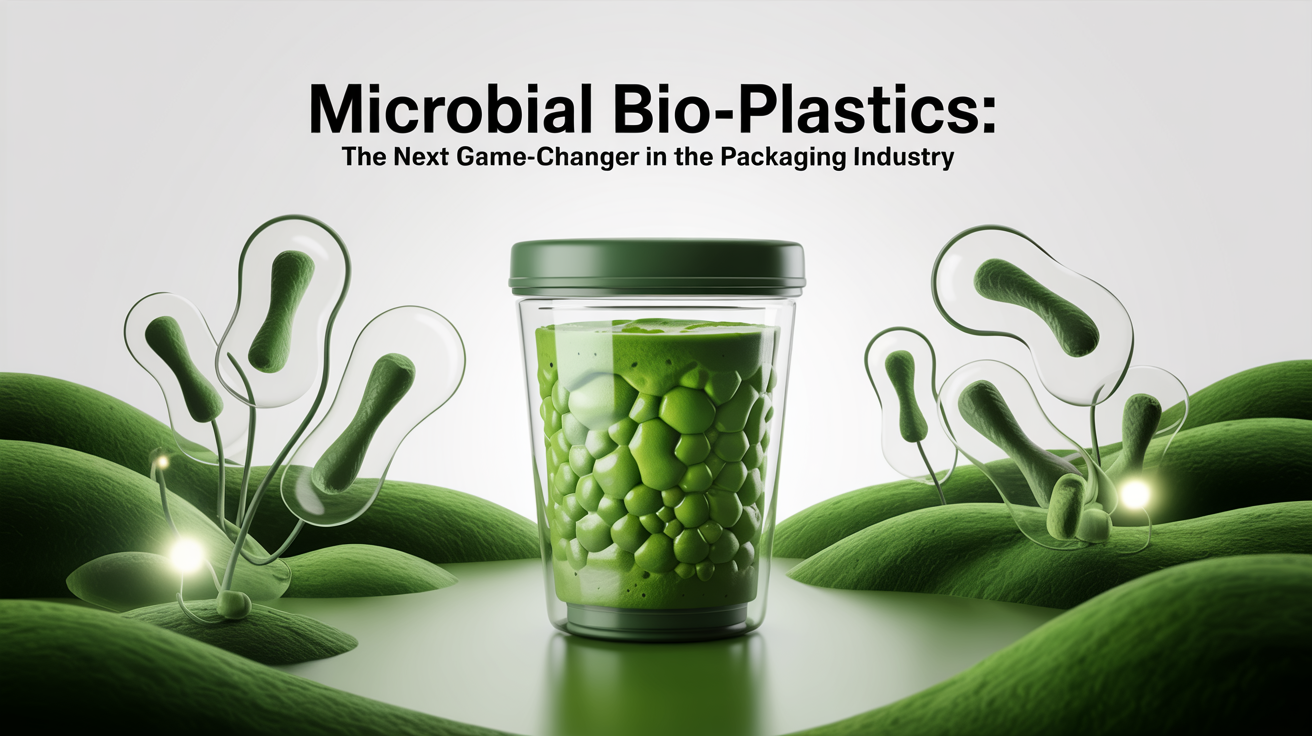





Plastic waste is reduced by microbial bioplastics, which are derived from microorganisms and serve as biodegradable. There has to be another brand of consideration. High production costs, major scalability obstacles attached to them, and performance issues have posed a bottleneck for microbial bioplastic. Despite that, there have been various breakthroughs in the field, mainly due to initiatives in genetic engineering, enhanced feedstock utilization, and furthering biodegradability.
What Is Microbial Bioplastic?
In terms of microorganisms, this means that the sources are bacteria, fungi, and algae, hence the name “microbial bioplastics. Consequently, the synthesis of biodegradable plastics such as polyhydroxyalkanoates (PHAs) and polylactic acid (PLA) is being enabled by microorganisms. As a result, these bioplastics are now widely regarded as renewable alternatives to older, petroleum-based counterparts. Unlike old plastics, microbial bioplastics can break down in the environment and hence do not pollute.
Also Read: Challenges and Opportunities in India’s Plastic Processing Industry
Production of Microbial Bioplastics
The making of microbial bioplastic is through biological and chemical processes that include
1. Selection of microorganisms – Certain bacterial and fungal species are isolated and required for biopolymer production.
2. Fermentation – The specified microorganisms are fed with organic substrates such as sugarcane, cornstarch, or waste.
3. Polymeric accumulation – Biopolymers are made by microbes from this feedstock under controlled conditions.
4. Extraction and processing- bioplastics will be extracted from microbial cells and will undergo other processes.
5. Product formation-formatting bioplastics into films, containers, and packaging materials.
Paper Water Bottles, Bioplastics & Biodegradable Products Manufacturing Handbook
Benefits of Microbial Bioplastics
Unlike conventional plastics, microbial bioplastics are biodegradable and break down into natural products like water and carbon dioxide; therefore, they help minimize environmental pollution.
In addition, they are made using renewable resources such as agricultural waste, which reduces dependence on fossil fuels.
Moreover, microbial bioplastics emit fewer greenhouse gases than petroleum-based plastics, making them a valuable solution in the fight against climate change.
Furthermore, they are considered safe for food packaging and medical applications, as they do not leach harmful chemicals.
Lastly, microbial bioplastics are engineered to meet diverse packaging needs and offer strength and flexibility comparable to traditional plastics.
Challenges in Accepting Microbial Bioplastics
1. High Production Cost
The metabolic pathway of extraction and fermentation processes to obtain microbial bioplastics is thumping expensive as compared to petroleum-based plastics.
2. Limited Industrial Scalability
So far, the production of microbial bioplastic is not developing in most of the production facilities, making it possible for large-scale production.
3. Limitations in Performance
Certain bioplastics have less durability than traditional plastic. Water resistance is less; thus, these materials cannot be used for certain applications in packaging.
4. Consumer Awareness and Acceptance
Consumer and corporate knowledge about microbial bioplastic acceptance is important for large-scale adoption.
Innovations and Future Trends
1. Genetic Engineering Advances: Microbes may be engineered by researchers to improve emissions efficiency in biopolymer production.
2. Waste Feedstock Utilization: Corn silage as feedstock will reduce costs and improve sustainability.
3. Improved Biodegradability Speed: Scientists have worked on developing products that would degrade fast in different environmental conditions.
4. Partnering with the Big Players in Packaging: Nestlé, PepsiCo, and Unilever are investing in microbial bioplastics to ensure sustainable packaging solutions.
5. Government Policies and Incentives-. Most governments of the world have been boosting bioplastics through grants and regulations.
6. New Blends Development- Scientists are advancing composite materials using natural fibres with microbial bioplastics for strength and durability.
7. Smart Bioplastics: These are Bioplastics that are temperature sensitive, antimicrobial, and have self-healing properties.
8. Closed- Loop Recycling Systems: Companies have built systems to aid the recycling of microbial bioplastics and, at times, to buy back the products made from such materials.
Related Business Plan: Production of Fiberglass Transparent LPG Cylinders
The Role of Microbial Bioplastic in the Packaging Industry
Microbial bioplastics will be the revolution to the packaging industry, as they will eventually replace nearly all single-use plastics by:
- Food Packaging – Biodegradable wrappers, containers, and films are to be used for sustainable food storage.
- Cosmetic and Pharmaceutical Packaging – Greenstick-packing for beauty and healthcare products.
- Retail and E-commerce Packaging – These are plastic bag alternatives and shipping materials for consumer packaged goods.
- Agricultural Packaging – Biodegradable mulch films and plant pots to contain plastic debris from farming.
- Industrial and Commercial Packaging – Businesses are adopting microbial bioplastics whenever possible in bulk package
Some Economic and Environmental Aspects
- Employment Generation in Green Industries – The production of microbial bioplastics is associated with job creation in the biotechnology, packaging, and waste management sectors.
- Less Landfill Waste – Because of the biodegradability of microbial bioplastic, landfill accumulation will see a tremendous decrease as well.
- Less Dependency on Fossil Fuels – Bioplastics will reduce the demand for petroleum-based products, thus supporting energy independence.
- Savings in the Long Run – Though expensive now, improvement in the production will drive prices down and make microbial bioplastic economically viable in the far future.
- Public Health Gains – Lessening plastic waste and pollution will improve air and water quality, in turn benefiting public health.
Closing Thoughts
Microbial bioplastics are a significant step forward in developing sustainable packaging. The adoption of such technologies will be dependent on technological advances, government support, and consumer awareness as challenges of adoption. As industries continue to minimize their environmental footprints, microbial Bioplastics provide an opportunity to make a sizeable contribution to plastic pollution remediation at the same time as advancing toward a greener tomorrow. This kind of innovative technology trend must, therefore, be embraced by the packaging sector in ushering an eco-cycle towards sustainability and experimentation.
Switching to microbial bioplastic from regular plastic is not an environmental issue; it is merely an economic one. The future of packaging depends on potentials offered by nature: develop that are functional and sustainable materials. Through research investment, infrastructure development, and popular awareness programs, we leave footprints toward a plastic-free world, a gift to the planet’s well-being as well as its posterity.